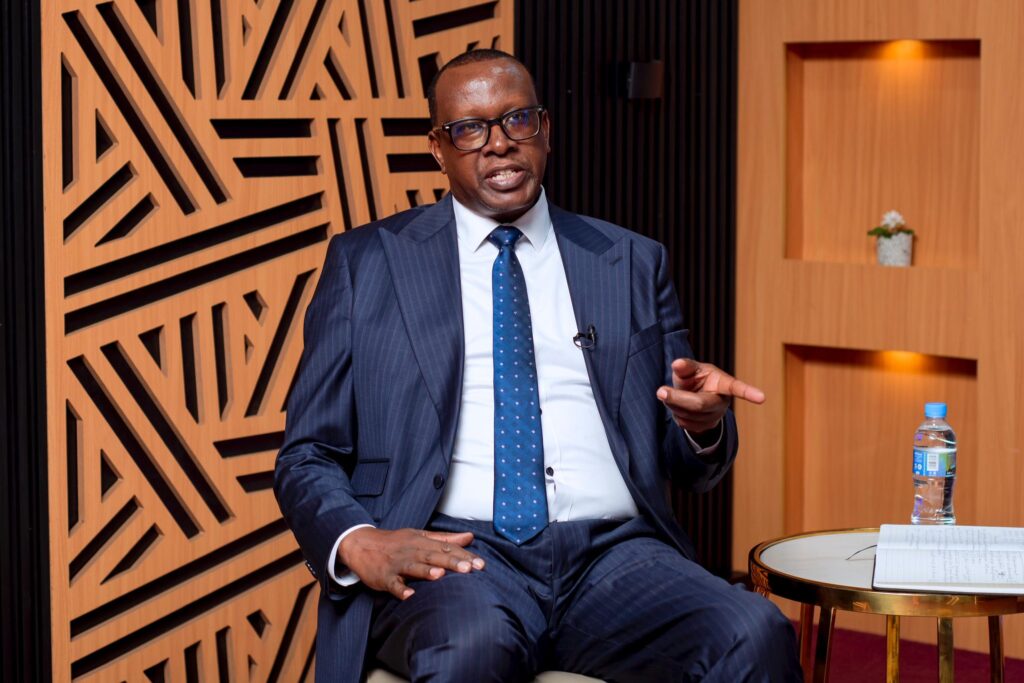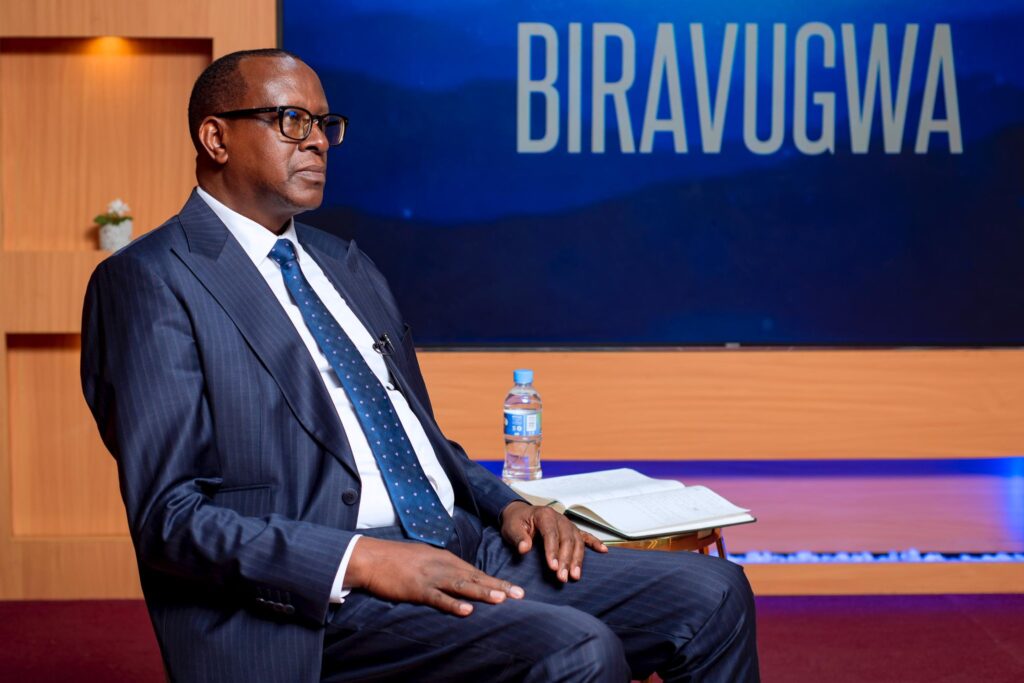
Rwanda’s Minister of National Unity and Civic Engagement, Jean Damascène Bizimana, has explained why the country’s history must continue to be taught, saying reconciliation cannot be achieved without understanding the causes of past violence.
Speaking during the Biravugwa talk show aired on Isango Star, Dr. Bizimana addressed Rwanda’s journey toward unity, highlighting both the progress made and the challenges that remain in building lasting cohesion among Rwandans.
He noted that some people argue that openly discussing Rwanda’s past could hinder national unity, but said such views are misguided.
“There are those who think preserving unity means forgetting history or avoiding discussions about it. That is a mistake,” he said.
According to Dr. Bizimana, young generations must be taught the country’s history clearly and truthfully so they can understand the roots of past divisions and violence.
He cited memorial sites such as the Kigali Genocide Memorial in Gisozi, where more than 250,000 victims of the Genocide against the Tutsi are buried.
“If young people visit memorials and see the remains of men, women, children and infants who were killed, how can those events be explained without teaching the history behind them?” he asked.
Dr. Bizimana also referred to other sites across the country where mass killings occurred, including locations where thousands of Tutsi were gathered in public spaces such as football fields and killed.
He further highlighted the history of forced exile that began in 1959, when many Tutsi were expelled from Rwanda and prevented from returning for decades.
“How do you explain the existence of refugees from 1959, who were driven out of Rwanda simply because they were Tutsi, if that history is not taught?” he said.
Dr. Bizimana said understanding these historical realities helps younger generations grasp how national unity was broken in the past and why continued efforts are needed to safeguard it.
He emphasized that teaching history is intended to prevent a repetition of past tragedies and to strengthen the commitment to unity and nation-building.
The minister also pointed to improvements in Rwanda’s National Unity and Reconciliation Index, which rose to 95.3 percent in 2025 from 82.3 percent in 2010, reflecting an increase of nearly 13 percentage points over the past 15 years.