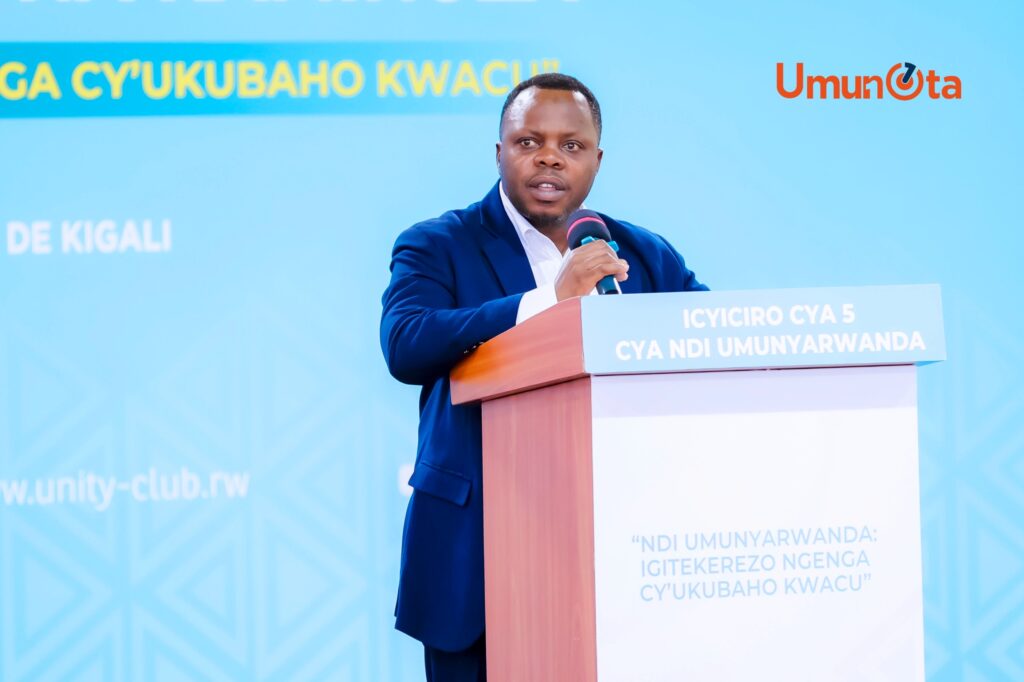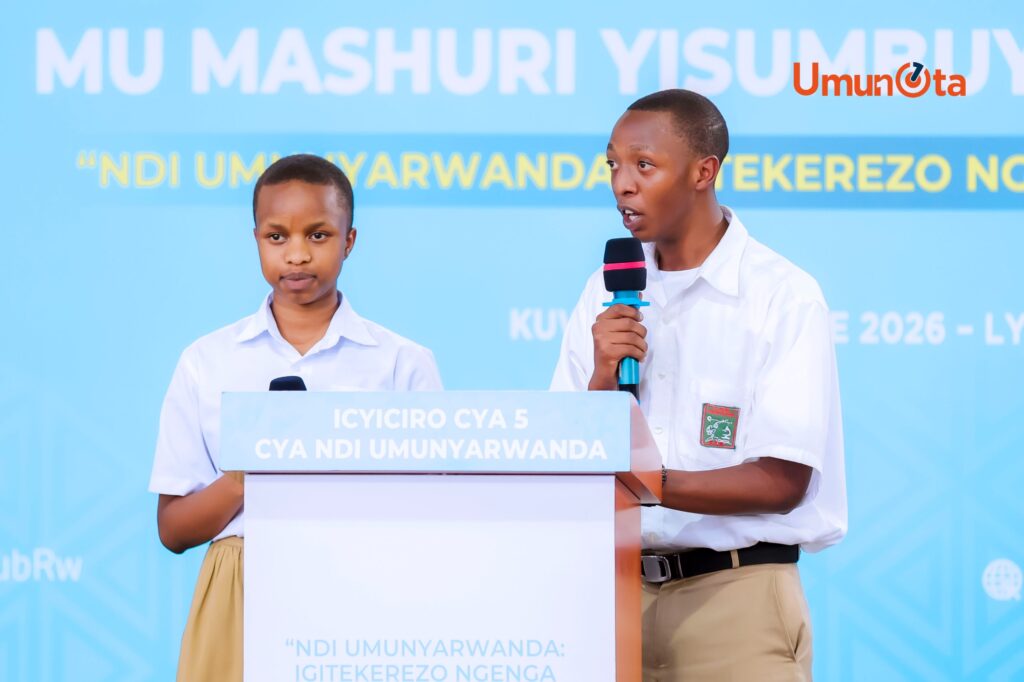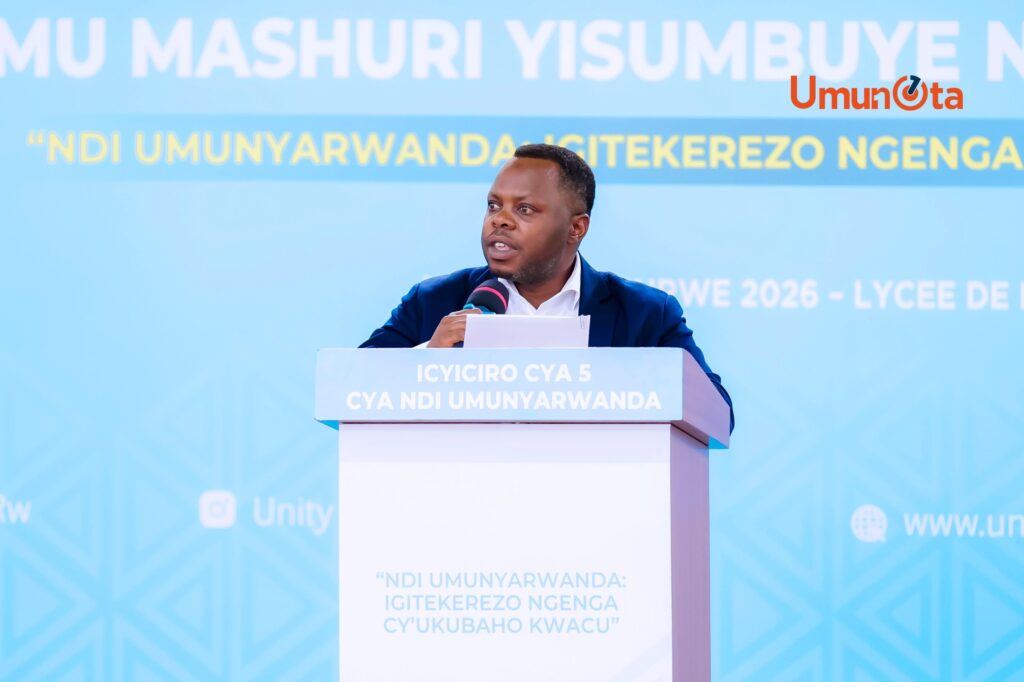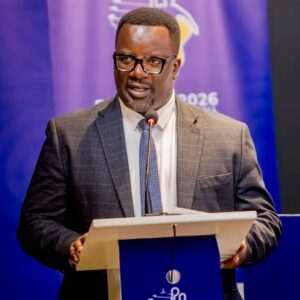
The Minister of Youth and Arts Development, Dr. Utumatwishima Jean Nepo Abdallah, has urged secondary school students to understand that no age is too young to serve the country. He also warned against the spread of genocide ideology and harmful behavior online.
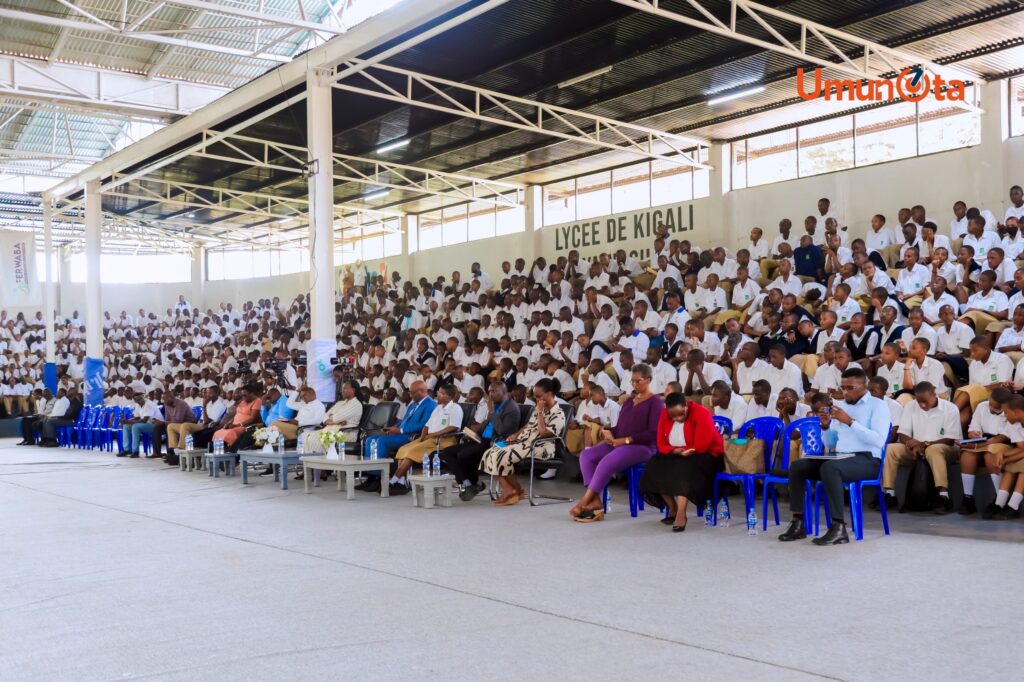
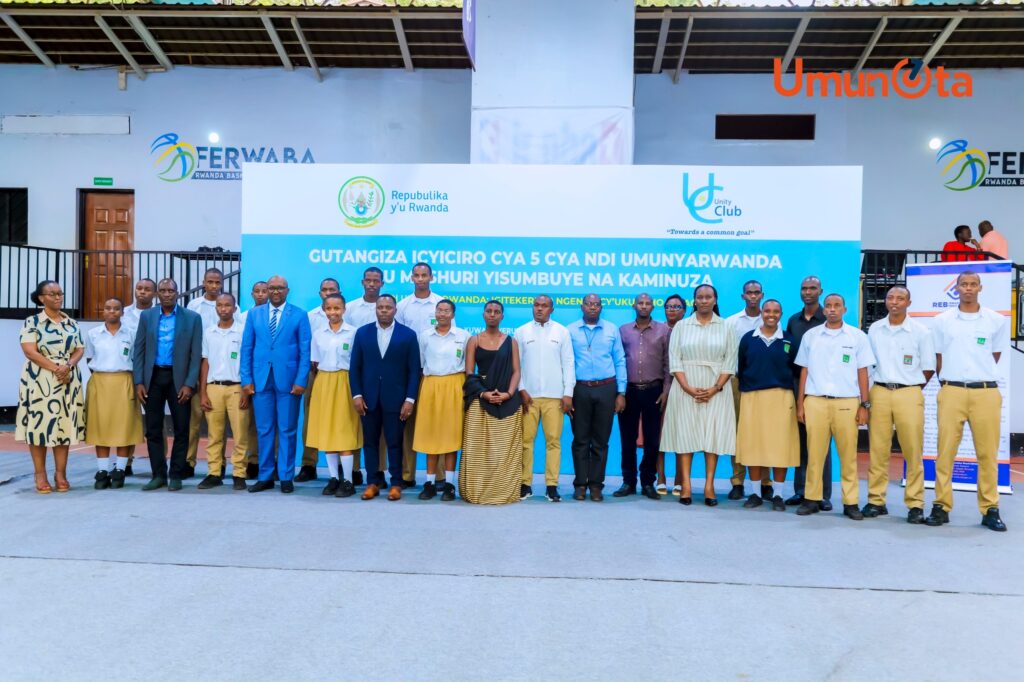
Speaking on Monday, March 9, 2026, at Lycée de Kigali, Dr. Utumatwishima launched the fifth phase of the national civic education program Ndi Umunyarwanda (“I am Rwandan”), targeting secondary, college, and university students. The program, implemented by the Ministry of National Unity and Civic Responsibility in collaboration with Unity Club, aims to educate youth about Rwanda’s history and promote national unity.
“Civic education in higher learning institutions has already helped students understand their role in national development. Extending it to secondary schools is necessary because we are seeing inappropriate behavior among youth, including attitudes linked to crimes and genocide ideology,” Dr. Utumatwishima said.
The minister highlighted concerning trends among youth, including substance abuse and negative conduct on social media. He noted that some young people adopt genocidal narratives online, while others misinterpret information about perpetrators who served sentences for genocide-related crimes.
Dr. Utumatwishima also reflected on Rwanda’s colonial history and the discriminatory policies that laid the groundwork for the 1994 genocide. He reminded students that the country’s liberation struggle in the 1990s was led by youth, many of whom left school to fight, with some sacrificing their lives during the genocide.
“Rebuilding the nation after the genocide required courage, collective effort, and forgiveness. Youth today must learn from these examples and embrace responsibility, unity, and civic engagement,” he said.
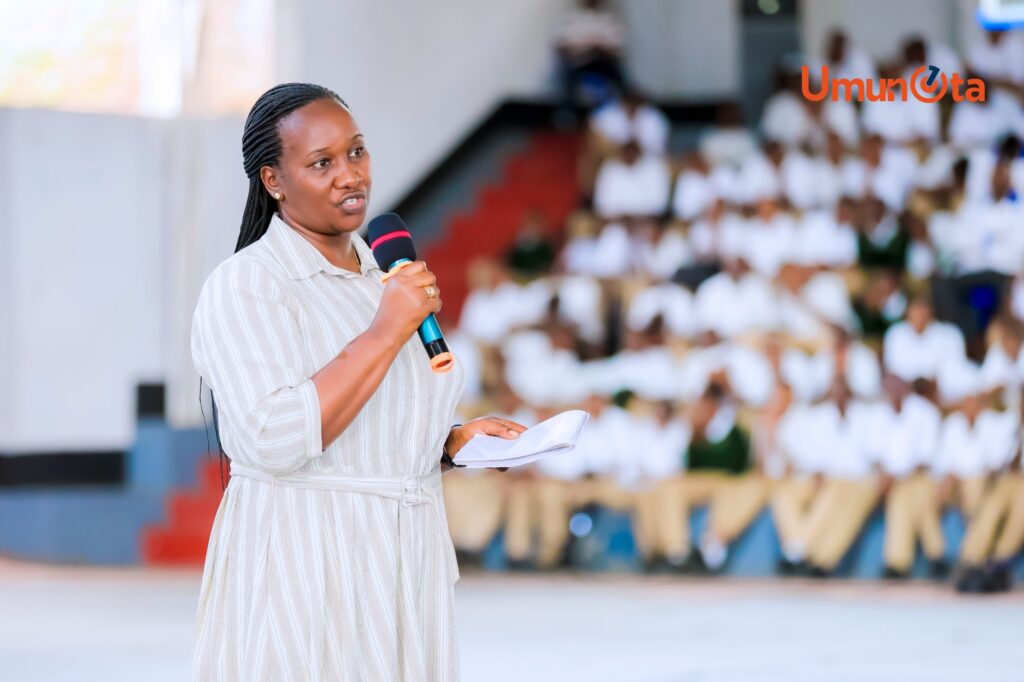
Unity Club Secretary Uwacu Julienne spoke on the challenges faced by children born of genocide-related crimes and other trauma-affected youth. He stressed that support programs, including education and skills training, help these children heal and contribute positively to society.
“Despite their circumstances, these children are innocent. Programs that equip youth with education and skills have been critical in helping them overcome trauma and build productive lives,” Uwacu said.
He concluded by urging young people to exercise discernment, make the right choices, and continue discussing Rwanda’s history to foster national unity and resilience.