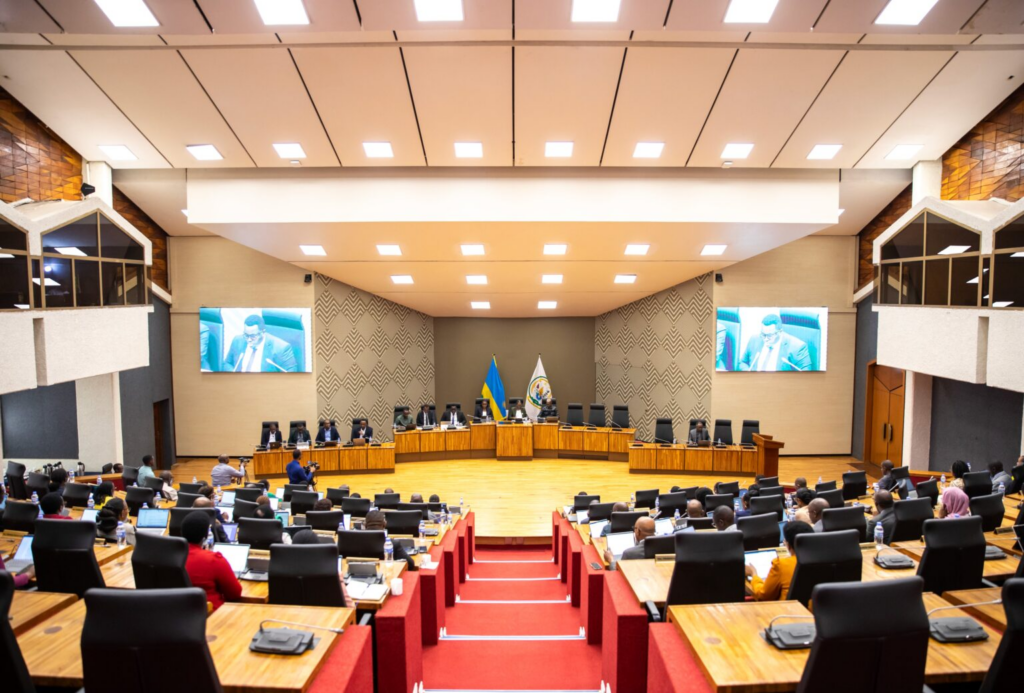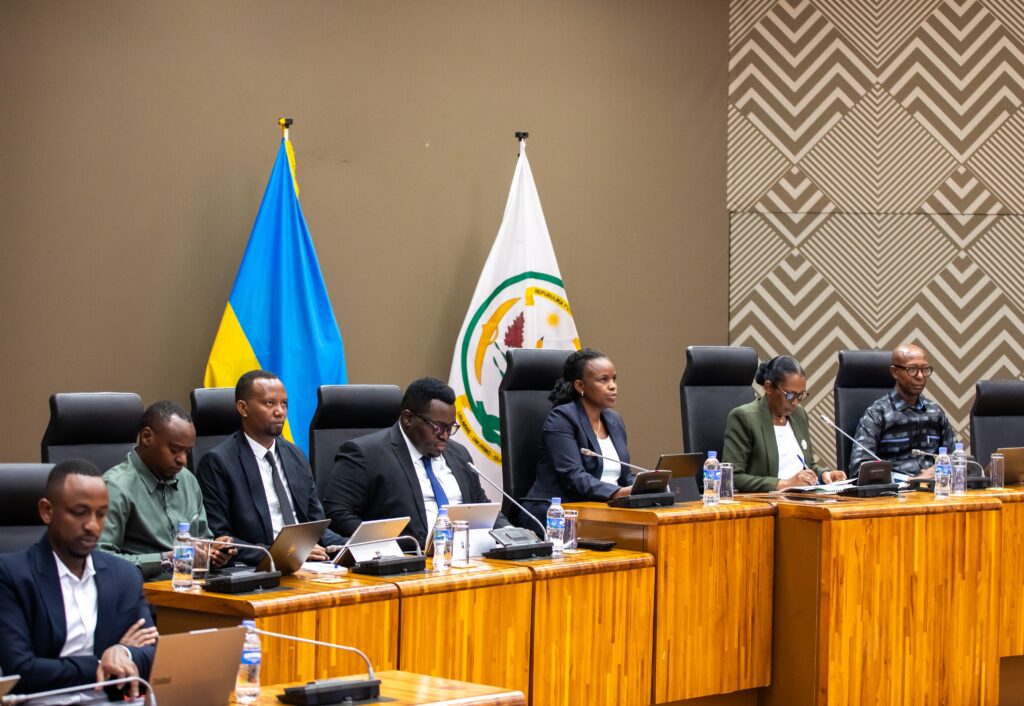
Rwanda’s Chamber of Deputies has approved a Rwf43 billion loan package to support the modernization of urban transport systems, including the expansion of electric bus services and the redevelopment of the country’s busiest transport hub, Nyabugogo Bus Terminal.
The financing package was among several loan and grant agreements ratified by Parliament on June 24 after receiving Cabinet approval earlier this month.
The approved funding includes two concessional loans worth a combined $29.9 million from the International Development Association (IDA) to finance the Rwanda Urban Mobility Improvement Project.
According to State Minister for National Treasury Godfrey Kabera, the project will focus on improving urban mobility, upgrading Nyabugogo Bus Terminal, increasing the number of electric buses operating in Kigali, and developing the infrastructure needed to support cleaner public transport.
Kabera assured lawmakers that Nyabugogo Bus Terminal will remain operational during construction works to avoid disruptions to passenger services.
The project is expected to play a key role in easing urban transport challenges, improving the efficiency of public transit, and supporting Rwanda’s transition toward sustainable mobility solutions.
Implementation will begin in Kigali under the next fiscal year’s budget, with authorities planning to replicate successful approaches in other cities across the country.
Beyond transport, Parliament also approved financing agreements aimed at strengthening Rwanda’s disaster preparedness and response capacity, including mechanisms that would enable the country to access emergency funding during natural disasters and other unforeseen crises.
Lawmakers further ratified Rwanda’s participation in the African Risk Capacity (ARC) Agency, a continental institution that helps African countries manage climate-related and disaster risks.
Additional financing approved by Parliament will support job creation initiatives and the expansion of the Muvumba water infrastructure project, which is expected to increase water availability for irrigation, domestic use, livestock production and hydropower generation.
The approvals underscore Rwanda’s continued investment in resilient infrastructure, sustainable urban development and climate adaptation as part of its broader economic transformation agenda.