New high-genetic-merit bulls are expected to accelerate genetic improvement in Rwanda’s livestock sector following their arrival to support the country’s expanding bovine artificial insemination programme.
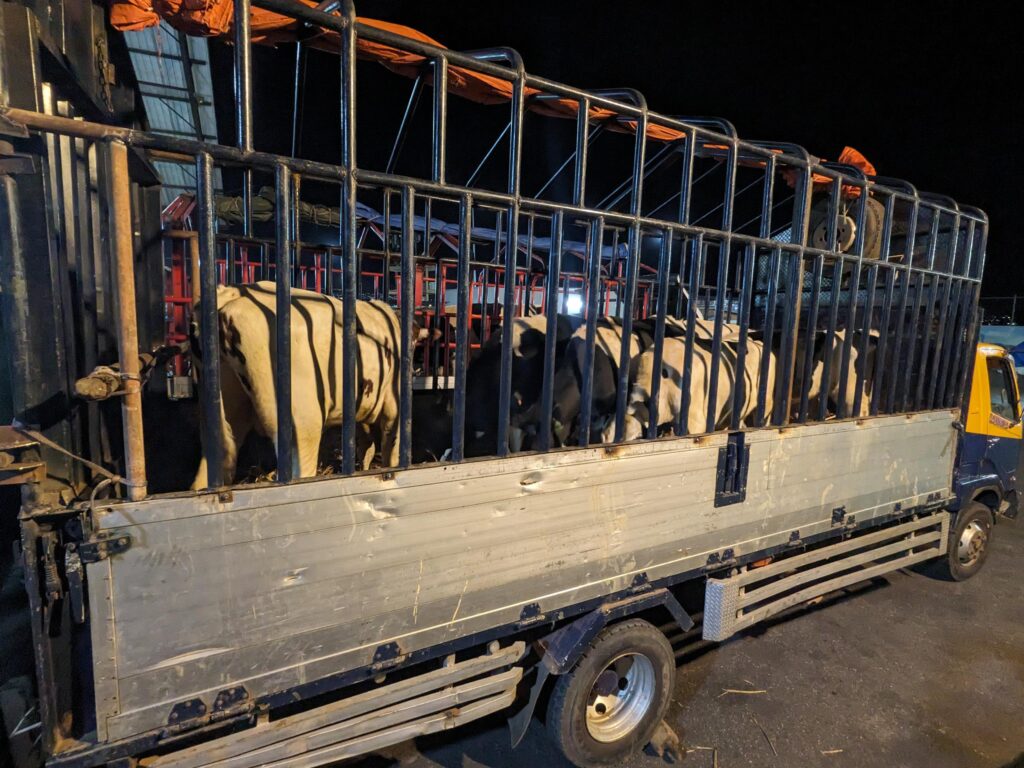
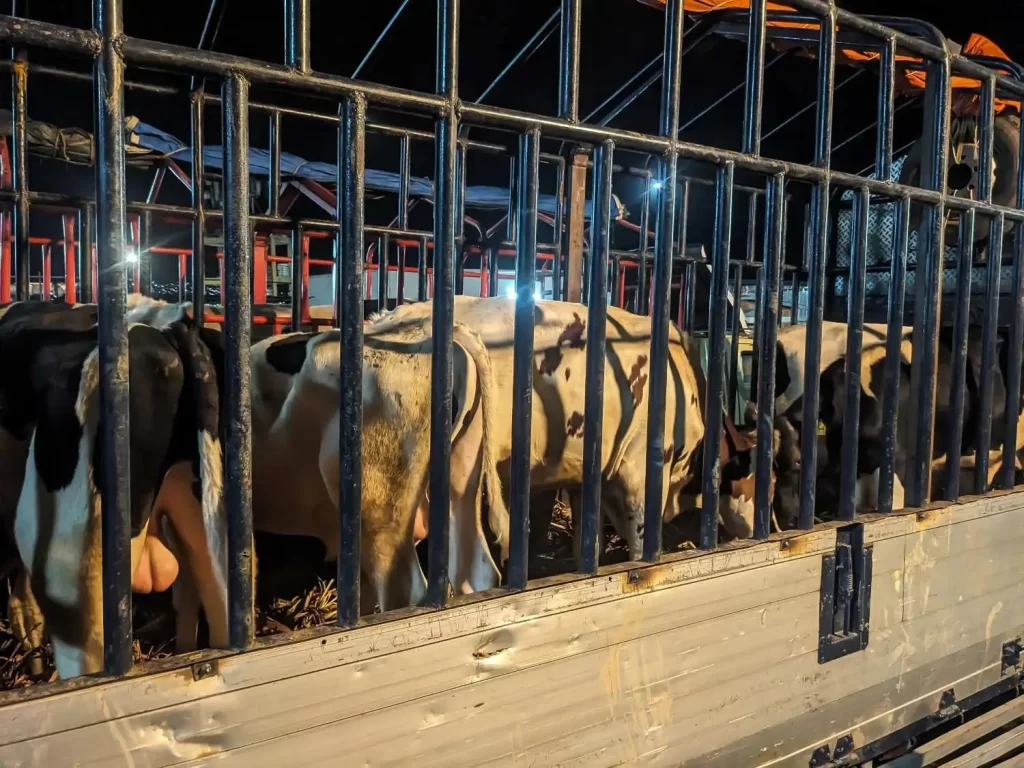
The Rwanda Agriculture and Animal Resources Development Board (Rwanda Agriculture and Animal Resources Development Board) on January 21, 2026, received 10 Holstein-Friesian bulls at Songa in Huye District.
Imported from Germany, the bulls are intended to strengthen national capacity to produce high-quality bovine semen for both dairy and beef systems.
RAB said the bulls possess the genetic potential to sire cows capable of producing more than 10,000 litres of milk per lactation, a level expected to significantly raise productivity among smallholder dairy farmers once disseminated through artificial insemination.
The bulls will be used to address persistent gaps in access to superior cattle genetics, enabling farmers to upgrade their herds at lower cost and with improved consistency in breeding outcomes.
Officials say this will translate into higher milk yields, better animal performance, and improved household incomes.
An additional 20 high-genetic-merit bulls are scheduled for delivery in April 2026. These will include Jersey and Brown Swiss breeds for dairy production, alongside Angus and Charolais breeds to strengthen beef value chains.
The imports underpin the establishment of a Centre of Excellence in Bovine Genetic Improvement at Songa, which will serve as a national hub for semen production, advanced reproductive technologies such as artificial insemination and embryo transfer, and training for livestock technicians and farmers.
The programme aligns with national agricultural priorities under the fifth Strategic Plan for Agriculture Transformation (PSTA 5) and the second National Strategy for Transformation (NST2), which target annual national milk production of more than 1.32 million metric tonnes by 2028/2029.
Authorities say the arrival of the high-genetic-merit bulls marks a critical step toward modernising cattle breeding, improving food and nutrition security, and supporting the long-term transformation of Rwanda’s livestock sector.
All of those bulls were bought by the Rwanda Dairy Development Project -Phase 2(RDDP2) ,a project funded by the International Fund for Agricultural Development (IFAD) and implemented under the Rwanda Agriculture and Animal Resources Development Board(RAB).