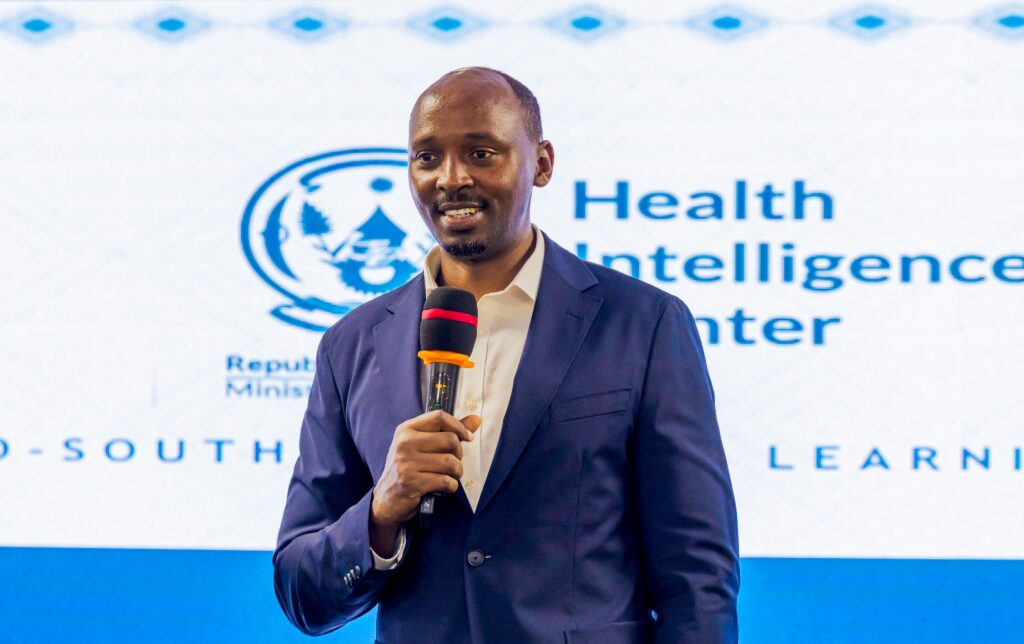
Rwanda’s Minister of Health Dr. Sabin Nsanzimana has called for stronger collaboration among African countries in collecting, sharing and using health data, saying timely and reliable information is critical to improving healthcare delivery across the continent.
Nsanzimana made the remarks while opening a health data workshop in Rwanda that brought together health data experts and senior officials from seven African countries, including Burkina Faso, Ethiopia, Liberia, Senegal, Sierra Leone, Togo and Zambia.
He said Africa should build stronger capacity to generate and analyze its own health data rather than relying on studies conducted by external actors who may not fully understand local challenges.
The minister argued that decisions based on locally generated evidence are more likely to address the specific needs of communities.
“Whenever decisions about a country are made by someone else, they may not always align with the real needs because they may not fully understand the challenges and priorities of that country,” Nsanzimana said.
He noted that countries often face different health problems but sometimes receive similar recommendations because of limited access to accurate, timely and locally relevant data.
Nsanzimana highlighted delays in conducting major health surveys, including the Demographic and Health Survey (DHS), as one of the challenges affecting rapid responses to health concerns.
He explained that surveys conducted every five years may not provide the most current picture of health challenges, as significant changes can occur before the findings are released.
“DHS provides information about what happened in the previous five years. During that period, many things can change, meaning the information may no longer fully support urgent decisions based on current realities,” he said.
He cited maternal health statistics as an example of the need for improved data systems, noting that some national estimates are based on limited samples that may not fully capture the complexity of challenges across the country.
To address these gaps, Rwanda has established the National Health Intelligence Centre (NHIC), a technology-driven platform that integrates and analyzes health data to support faster and more informed decision-making.
Nsanzimana said NHIC allows health authorities to monitor key indicators, including disease trends, maternal and child health information, births and emerging outbreaks, from a centralized platform.
The minister added that artificial intelligence (AI) will be an important tool in helping African countries transform health data into actionable insights and improve healthcare planning and service delivery.
The NHIC was officially launched by the Ministry of Health in April 2025 as a digital platform that connects health information from different sources, analyzes trends and provides evidence to guide policies and interventions.