Rwanda National Police has destroyed more than 100,000 litres of illicit and substandard alcoholic beverages in the past six months as authorities step up efforts to protect public health and curb the circulation of unsafe drinks.
Police spokesperson ACP Boniface Rutikanga said the operation targeted alcohol produced through illegal and unregulated methods, warning that such products continue to claim lives, cause severe health complications and contribute to insecurity.
Speaking during an interview with Rwanda Broadcasting Agency (RBA), Rutikanga urged the public to reject both distilled and non-distilled alcoholic drinks whose origin or production standards are questionable.
“Our biggest concern is the loss of life. Those who survive often suffer serious health complications that prevent them from working and supporting their families,” he said.
He emphasized the importance of prevention, calling on citizens to act on public awareness messages rather than waiting until fatalities occur.
“We should learn from the information available instead of waiting until someone dies before taking action,” he added.
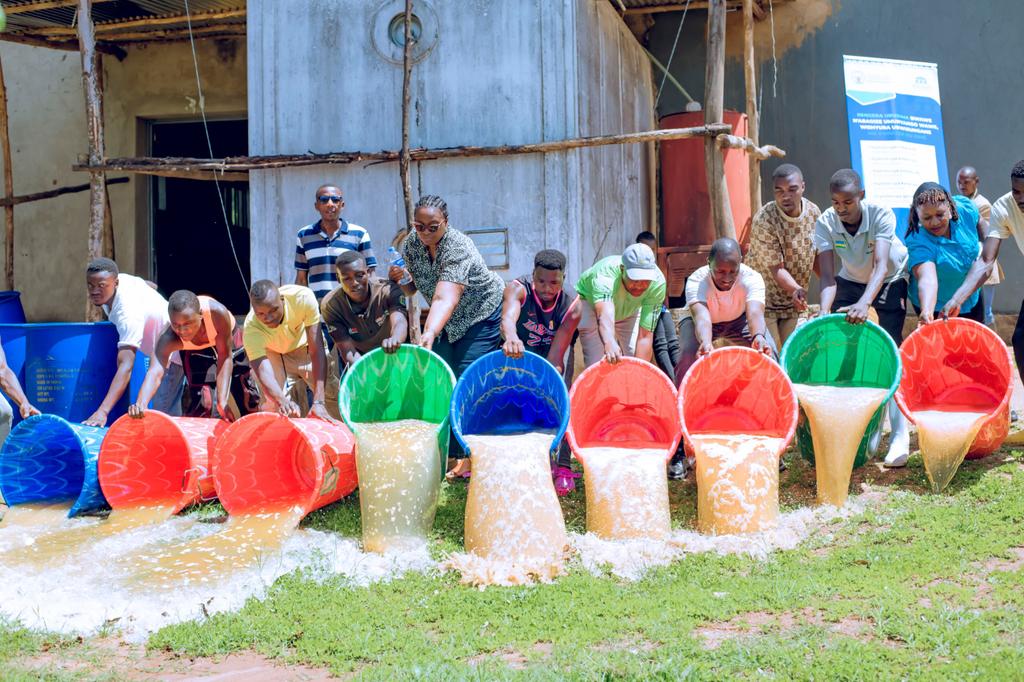
According to Rutikanga, the more than 100,000 litres of alcohol destroyed since the beginning of the year were seized from illegal production sites and unlicensed manufacturers. The beverages were publicly destroyed to deter offenders and raise awareness about the dangers of consuming substandard alcohol.
He commended communities for providing intelligence that has enabled police and other authorities to uncover illegal brewing operations, many of which operate from homes and unauthorized premises.
Rutikanga encouraged the public to continue reporting illegal alcohol production and distribution, warning that besides endangering health, illicit alcohol is often linked to violence, disorder and other crimes that undermine public safety.
The crackdown comes amid growing concern over the deadly consequences of unsafe alcohol. According to the Ministry of Health, 44 people died after consuming illicit alcoholic beverages between January and June 2026, prompting renewed calls for stronger public vigilance and enforcement against illegal producers.