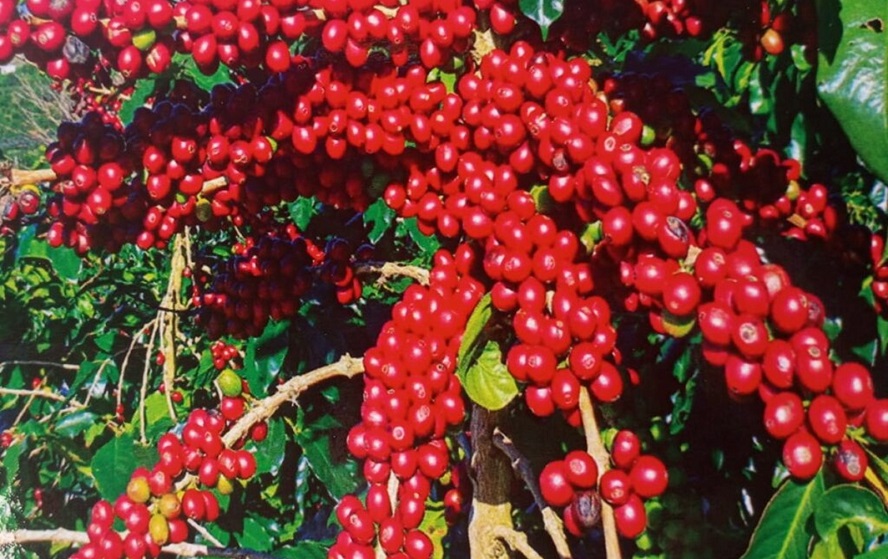
Rwanda has developed six new coffee varieties that could raise yields to as much as seven tonnes per hectare as the country seeks to replace ageing trees and boost coffee production.
Agriculture and Animal Resources Minister Dr Thelesphore Ndabamenye announced the development on August 27, 2026, during the awarding ceremony for the 2026 Rwanda Cup of Excellence coffee competition.
The new varieties were developed through research by the Rwanda Agriculture and Animal Resources Development Board (RAB), in collaboration with farmers and other partners. They are expected to be adapted to different soil and growing conditions across the country.
Ndabamenye said the next priority is to multiply the planting materials and make the new varieties available to farmers.
“Research on coffee is already underway. RAB, together with farmers, has identified new coffee varieties. The next step is to produce more seedlings and make them available to farmers,” he said.
The minister said the government is also working with other countries and international organisations to accelerate coffee research and develop varieties that can complement older ones that have been cultivated in Rwanda for more than five decades.
“We are working with NAEB to speed up the multiplication of the varieties that have already been identified so that seedlings suited to different soils can be produced and used to replace old trees that are no longer productive,” he said.
According to Ndabamenye, the six varieties could produce between five and seven tonnes per hectare under good management, significantly increasing productivity.
“Some of these varieties can produce five or six tonnes per hectare, and with proper farming practices, yields can reach seven tonnes. That is what we want as we seek to move away from the low productivity we have today,” he said.
Better varieties must be matched with better farming
Ndabamenye stressed that introducing improved varieties alone will not guarantee higher yields.
He said farmers will also need to improve how they cultivate and manage coffee, including fertilisation, mulching and other agronomic practices.
“Good planting material plays a role in increasing production, but farmers must also provide the conditions needed for the varieties to reach their potential,” he said.
Rwanda is also seeking to expand coffee production and increase export earnings. Ndabamenye said coffee exports have increased over the past five years from about 22,000 tonnes to 28,000 tonnes annually, but the country wants to raise this by at least another 50%.
The government also plans to expand the area under coffee cultivation, with an additional 10 hectares targeted over the next three years.
Meanwhile, the National Agricultural Export Development Board (NAEB) reported that 2.75 million coffee seedlings were planted on 1,102 hectares during the first agricultural season of 2026.
Under the Fifth Strategic Plan for the Transformation of Agriculture (PSTA 5), Rwanda aims to generate $160 million in coffee export revenues by 2029 through increased production and improved coffee quality. Rwanda’s broader coffee strategy also includes replacing ageing plantations, an important priority because a significant share of the country’s coffee trees are more than 30 years old.
The development of higher-yielding varieties, alongside better farming practices and expansion of coffee-growing areas, is expected to support Rwanda’s push to increase production and strengthen its position in international coffee markets.