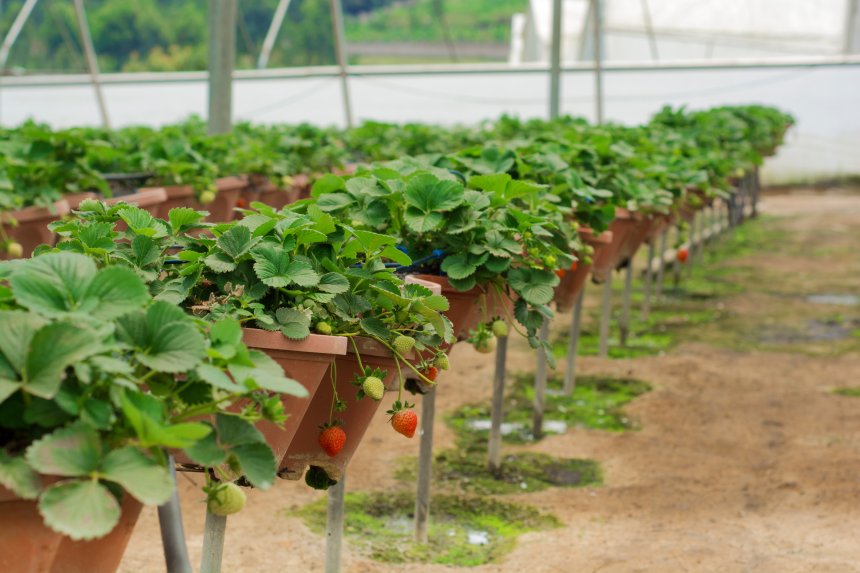
Agriculture remains a cornerstone of Rwanda’s economy, sustaining a large share of the population, which explains the government’s significant investments in this sector. Traditionally reliant on conventional methods, Rwandan farming has faced challenges such as low yields, climate change, limited access to fertilizers, and seed shortages.
To address these issues, Rwanda is increasingly adopting modern agricultural technologies, including drones, genetically modified organisms (GMOs), precision agriculture, and digital platforms that provide farmers with access to seeds, fertilizers, markets, and real-time information. This shift is helping the country move from subsistence farming toward data-driven, commercially oriented agriculture.
Use of drones
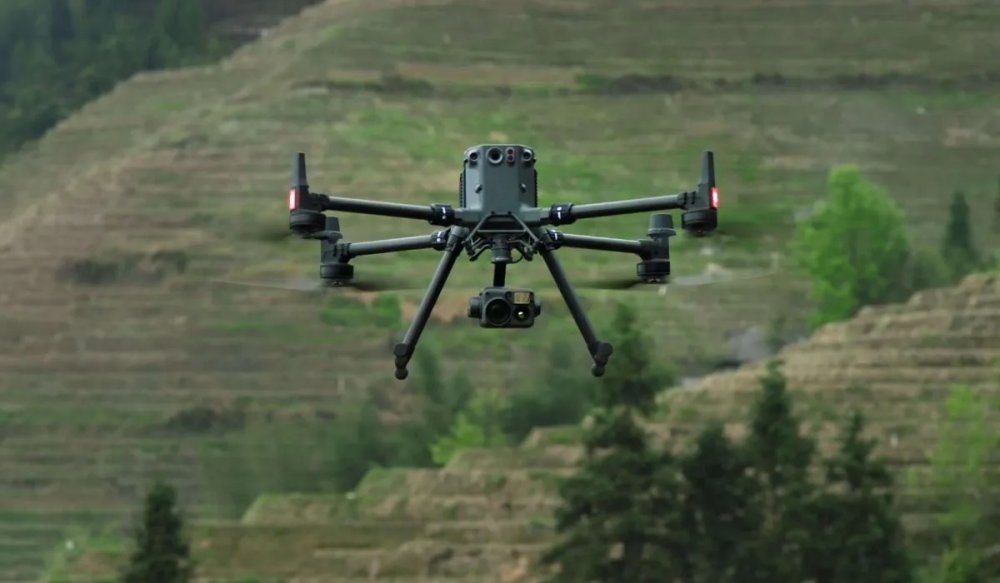
Rwanda is among the first African countries to use drones in agriculture, health, and other sectors. Companies like Zipline have played a key role in enabling drones to deliver essential services to farmers and livestock keepers. For example, drones now deliver livestock semen—previously a time-consuming task—to farmers in under an hour, boosting breeding efficiency and increasing livestock and meat production.
Drones also monitor crop fields, capturing images to detect early signs of disease, pests, or irrigation problems. This allows farmers to make timely decisions and optimize the use of inputs.
Data-driven agriculture
The country uses satellite imagery, GPS, sensors, and artificial intelligence to improve crop productivity. Satellite data helps authorities track crop growth, anticipate yield reductions, and take preventive measures to assist farmers before problems escalate.
Former Minister of Agriculture, Dr. Mark Cyubahiro Bagabe, highlighted that AI and satellite data help measure planted areas, monitor crop growth, and estimate potential yields. Smart irrigation systems further optimize water use, conserving resources while boosting output.
Genetically modified organisms (GMOs)
Rwanda is also leveraging GMOs to develop high-yield, disease- and drought-resistant crops. These innovations increase productivity, reduce chemical pesticide use, and enhance resilience to climate change. In 2024, Rwanda enacted the Biosafety Law to regulate the testing, importation, and use of GMOs, ensuring food security and sustainable agricultural growth.
By embracing technological innovation, Rwanda is positioning itself as a model for modern agriculture in Africa, demonstrating how data, innovation, and science can transform farming, tackle future challenges, and secure long-term food security.