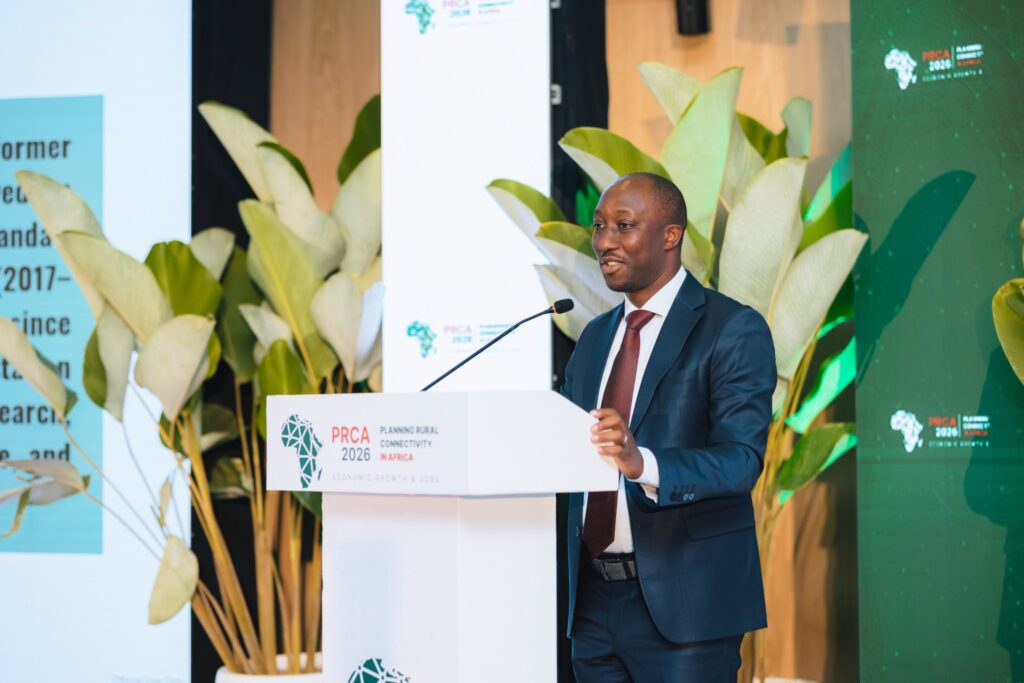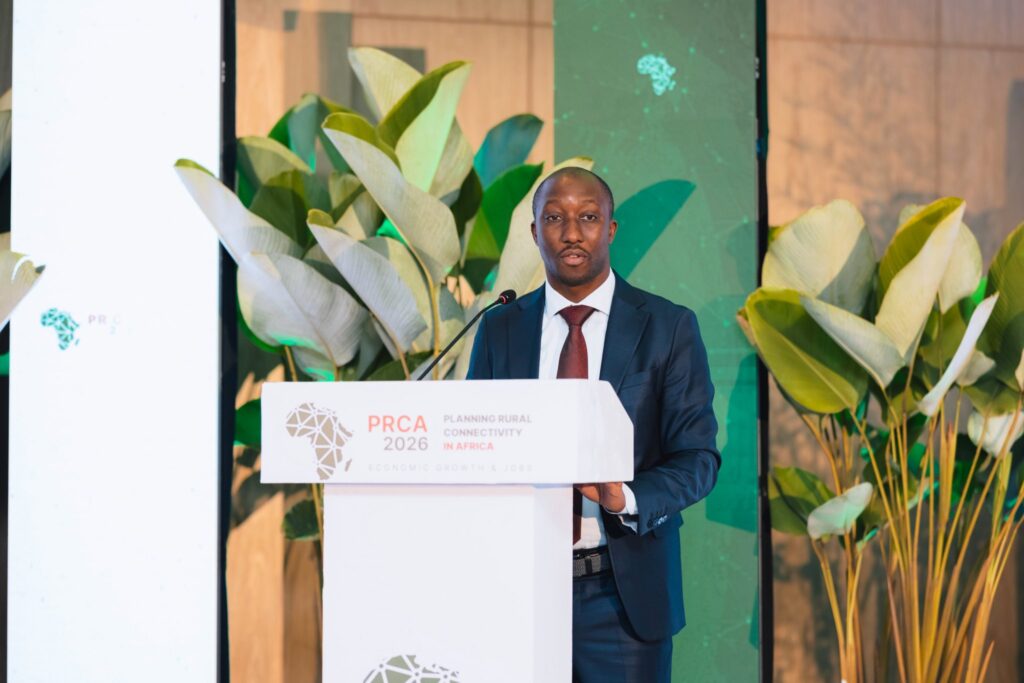
Minister Jimmy Gasore, Rwanda’s Minister of Infrastructure, has emphasized that connecting rural communities to urban centers is more than just building roads, it is a strategic driver of socio-economic transformation.
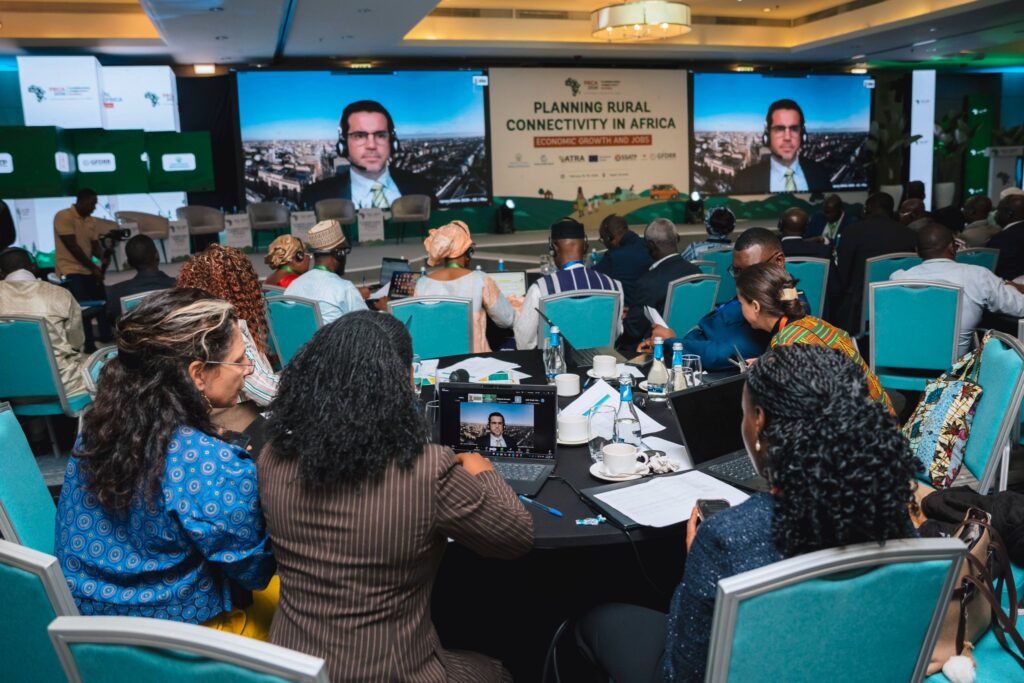
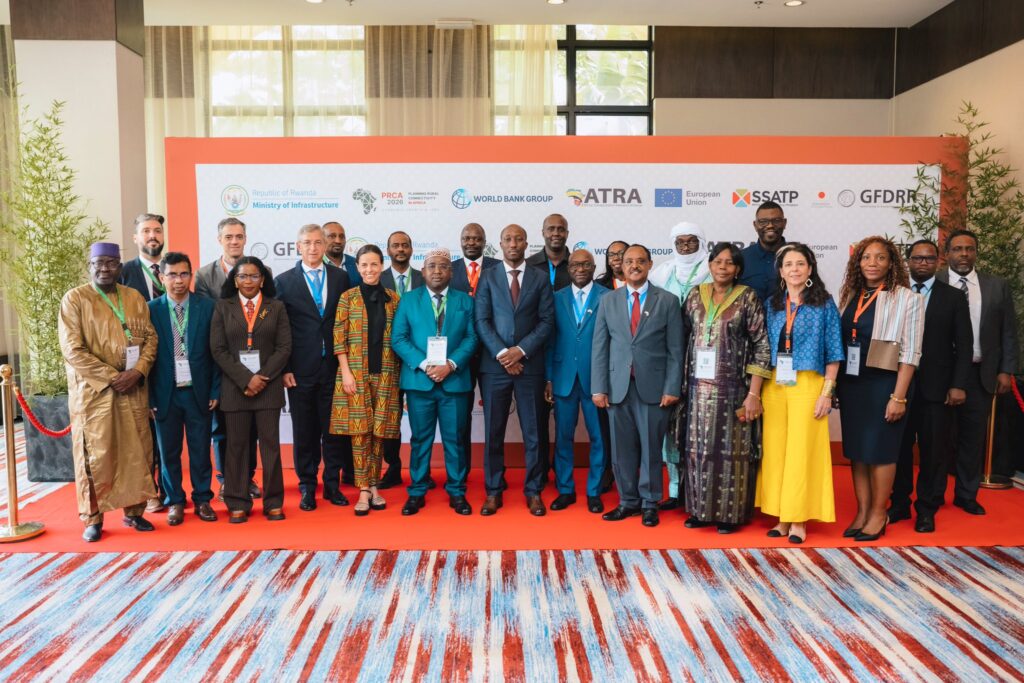
He made the remarks on Monday, February 16, 2026, while officially opening the International Conference on Rural Road Planning in Africa in Kigali. The three-day conference brings together experts from over 20 African countries and is hosted by the Rwandan government in partnership with the World Bank.
“Connecting rural areas is not just about roads; it is a way to improve citizens’ well-being,” Minister Gasore said, stressing that Rwanda is committed to resilient, inclusive infrastructure in the face of climate change.
The minister also urged international partners to step up investment, promote innovation, and ensure no community is left behind.
Sahr Kpundeh, Director for Governance and Sustainable Development at the World Bank Group, added that the conference aims to turn policy into tangible results.
“We are focusing on evidence-based planning, climate-resilient road construction, and linking infrastructure with agriculture, SMEs, and essential services. Rural roads are critical to national economic growth,” he said.
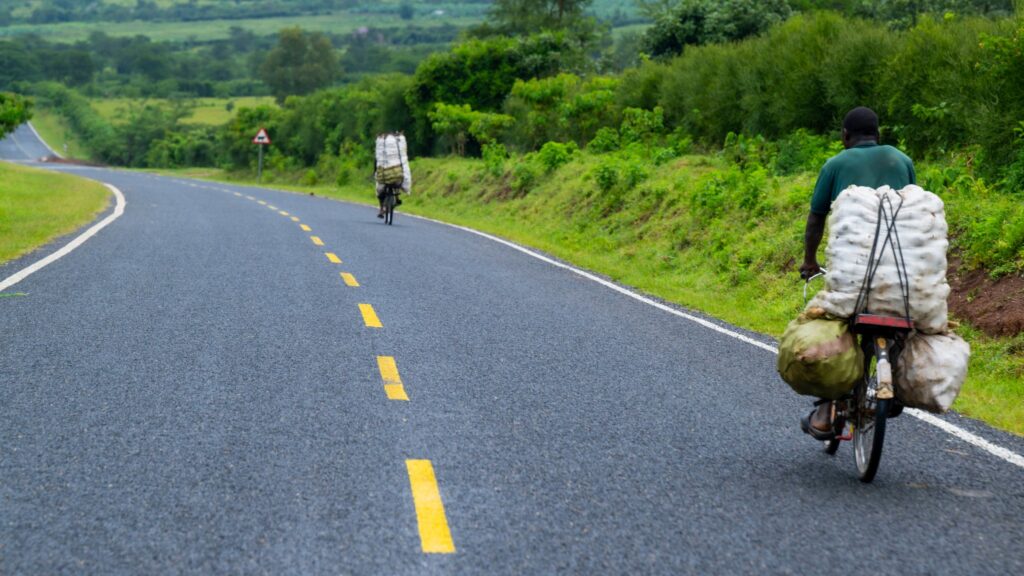
Rwanda has invested heavily in rural and feeder roads to improve trade, market access, and urban-rural connectivity. Since 2014, over 4,428 kilometers of roads have been built, significantly enhancing access for rural communities.
The Ministry of Infrastructure’s 2025/2026 plan includes constructing 143 kilometers of new roads, rehabilitating 110 kilometers, and adding 131 kilometers of agricultural feeder roads. Additionally, 450 kilometers of rural roads are slated for construction or rehabilitation in Gatsibo, Nyagatare, Nyabihu, Rutsiro, Gakenke, and Nyaruguru districts, aiming to further stimulate economic activity and improve livelihoods.