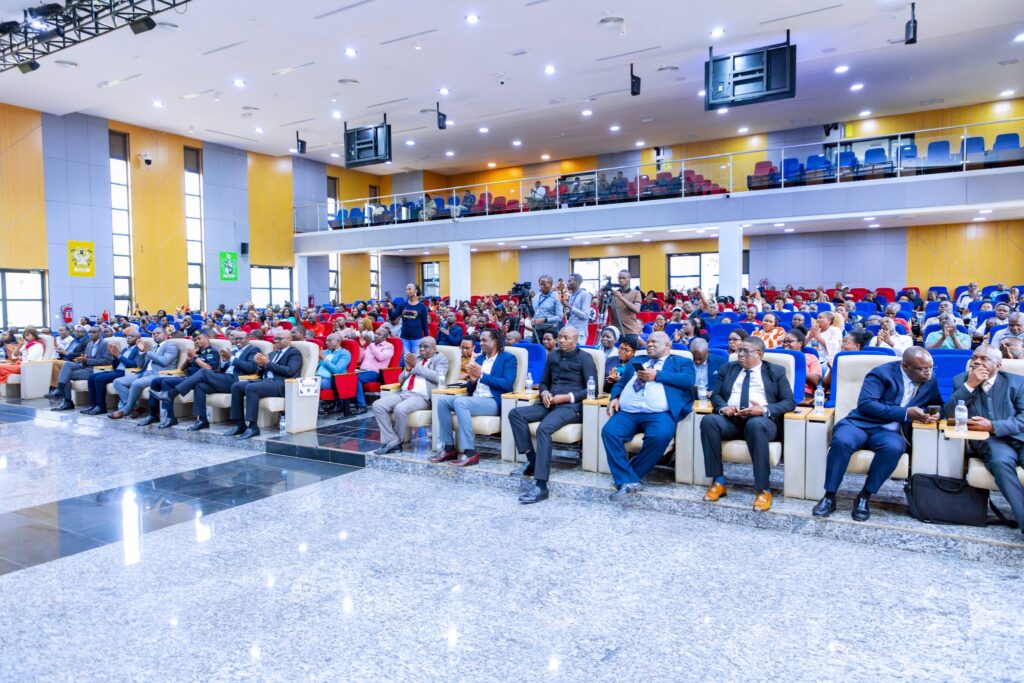
Rwanda has received a second cohort of 143 teachers from Zimbabwe, deployed to support the country’s efforts to improve the quality of education under a bilateral cooperation framework between the two countries.
The teachers arrived in Rwanda on the evening of Sunday, December 22, 2025.
They join an initial group of 157 teachers who arrived in the first phase and are already serving in various Rwandan institutions, including teacher training colleges (TTCs), technical and vocational education and training (TVET) schools, the University of Rwanda, and other institutions facing shortages of experienced English-language instructors.
This cooperation is anchored in a bilateral agreement signed by Rwanda and Zimbabwe in December 2022, aimed at strengthening collaboration in education and facilitating the exchange of knowledge and expertise between professionals from both countries.
The agreement builds on an earlier framework signed on December 23, 2021, which laid the groundwork for the deployment of English-language teachers from Zimbabwe to Rwanda to enhance teaching quality and strengthen English language proficiency across different levels of the education system.
Zimbabwe’s Department of Immigration confirmed that the deployment process was well coordinated and conducted in full compliance with legal requirements, ensuring the teachers’ safe travel without disrupting their professional obligations.
Zimbabwean authorities noted that the programme presents valuable opportunities for participating teachers, enabling them to gain international exposure, broaden their professional experience, and contribute to Africa-to-Africa cooperation based on knowledge sharing.
The reception of the teachers aligns with Rwanda’s broader strategy to invest in quality education through international partnerships that support capacity building and improve learning outcomes.
Teachers from Zimbabwe who have already been working in Rwanda have been widely commended for their contribution to improving teaching and learning, particularly in institutions where English is the primary language of instruction.
This collaboration continues to be cited as a strong example of African cooperation aimed at fostering sustainable development through enhanced skills, human capacity development, and improved education quality.