Rwanda is set to pilot a child-friendly justice system designed to strengthen the protection of children in conflict with the law while ensuring accountability for criminal offences.
The initiative was officially launched on June 23 by the Ministry of Justice (MINIJUST) in partnership with UNICEF, marking a key reform in the country’s juvenile justice framework.
Under the new system, children accused of crimes will be processed through procedures that prioritize their rights, dignity and rehabilitation throughout investigations and court proceedings.
The reforms emphasize alternatives to detention, including mediation and restorative justice mechanisms, as well as reducing the use of police custody and correctional facilities while cases are pending. Authorities say the approach will help ensure that children are not deprived of essential rights such as education during legal proceedings.
Judiciary spokesperson Harrison Mutabazi said the initiative builds on ongoing efforts to improve access to justice for children and make court processes more responsive to their specific needs.
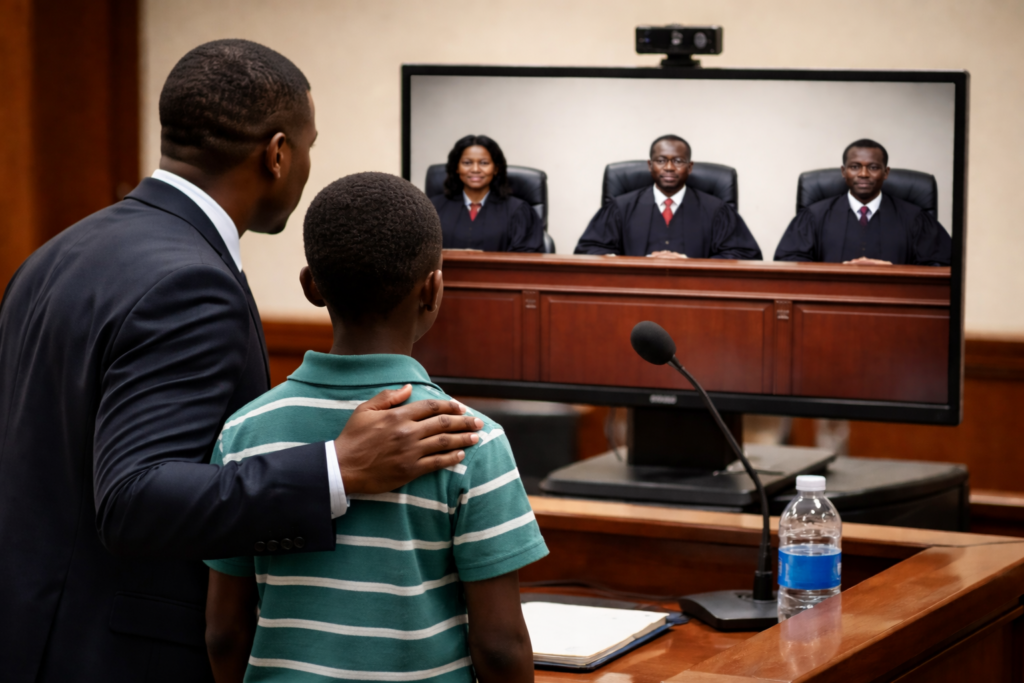
He said new guidelines developed with the Supreme Court and other justice sector partners will introduce child-sensitive procedures, including less formal court settings and the use of technology to enable children to participate more comfortably in proceedings.
“There are new guidelines that provide for special procedures in handling children, including avoiding intimidating court environments and using technology to ensure children can express themselves freely,” he said.
Officials stressed that the reforms do not exempt children from legal responsibility but aim to ensure that justice is administered in a way that balances accountability with rehabilitation.
William Ndengeyinka, State Attorney at MINIJUST, said children found guilty of offences will still face appropriate legal sanctions, but with greater emphasis on non-custodial measures and safeguarding their development.
The initiative comes as Rwanda and UNICEF mark 40 years of partnership in advancing children’s rights and welfare.
UNICEF Rwanda Representative Lieke van de Wiel said Rwanda’s legal framework is broadly aligned with international standards on juvenile justice and child protection.
She said the shared goal is to ensure that every child who enters the justice system is treated with dignity, protected from harm, and given meaningful opportunities for rehabilitation and reintegration into society.
The Ministry of Justice said the programme will initially be piloted in five districts, with one selected from each province, before being scaled up nationwide.
Judges and judicial officers handling juvenile cases are currently undergoing specialized training to strengthen their capacity to implement the child-sensitive procedures.
The reforms apply to children aged between 14 and 18 years, and are expected to reinforce Rwanda’s efforts to build a justice system that balances accountability with the best interests of the child.