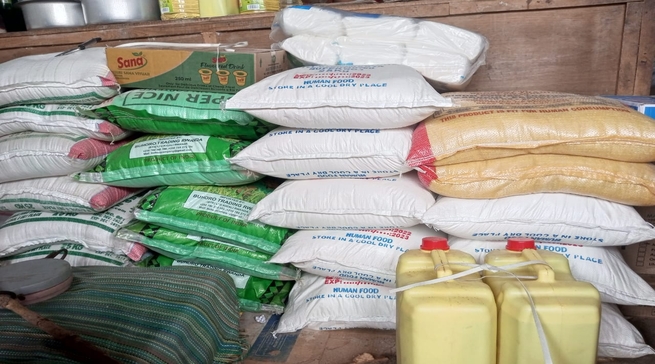
Traders across Rwanda, particularly those adding value to food and beverages, are facing a growing challenge: the scarcity and high cost of packaging materials. While local manufacturers produce environmentally friendly options, such as metal cans and paper-based packaging, these remain limited and expensive.
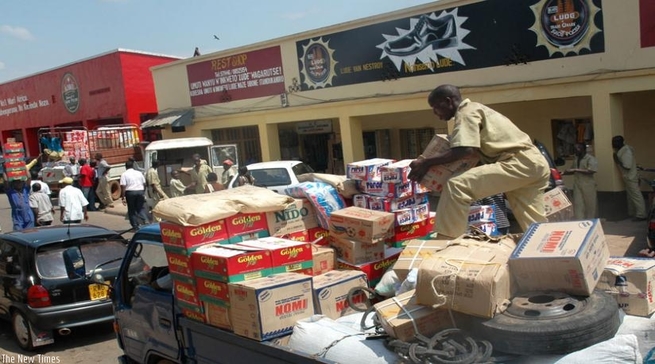
Imported plastic-packaged products, often cheaper, dominate the market, leaving domestic businesses struggling to compete.
Entrepreneurs report that customers frequently choose imported goods due to lower prices, despite the higher quality of locally packaged products. The issue has persisted for years and was highlighted again during the 2026 National Dialogue, where business leaders urged authorities to find practical solutions.
President Paul Kagame has acknowledged the challenge, calling for regulatory measures to ensure imported packaging does not disadvantage local producers. He suggested adjusting taxes to level the playing field, enabling Rwandan manufacturers to compete effectively.
Key institutions addressing the problem include the Ministry of Trade and Industry, the Ministry of Environment, the Rwanda Environment Management Authority (REMA), and the Rwanda Development Board (RDB).
Currently, Rwanda has over 20 local packaging manufacturers producing cardboard, paper, plastic, and bags. Still, the country imports 100% of glass and metal packaging and 86% of plastic packaging, mainly from India, China, the UAE, Kenya, and Tanzania, underscoring the persistent dependency on foreign supplies.
This shortage continues to limit growth for local traders and remains a key concern for the Rwandan business community.