Soraya Hakuziyaremye has said access to financial services in Rwanda has surged from 21% in 2008 to 96% in 2024, marking a 75-percentage-point increase over 16 years.
She noted that while only one in five Rwandans had access to financial services in 2008, the figure has now risen to nine in ten. Formal financial services—including banking and mobile money—are currently used by 92% of the population.
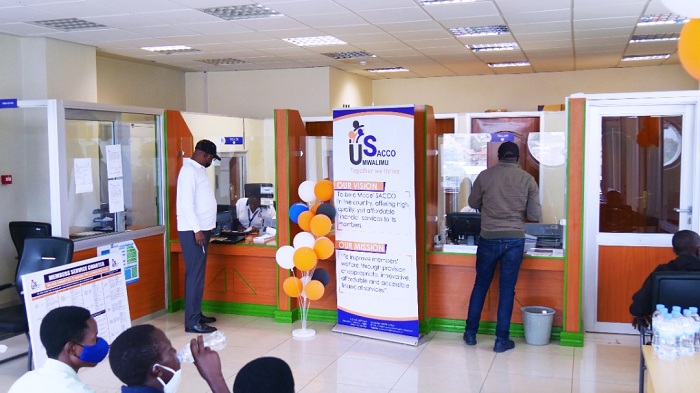
The growth reflects sustained government efforts to transition from a cash-based economy to a more digitized financial system. A key driver has been the rollout of Umurenge SACCOs since 2009, which significantly expanded access, particularly in rural areas.
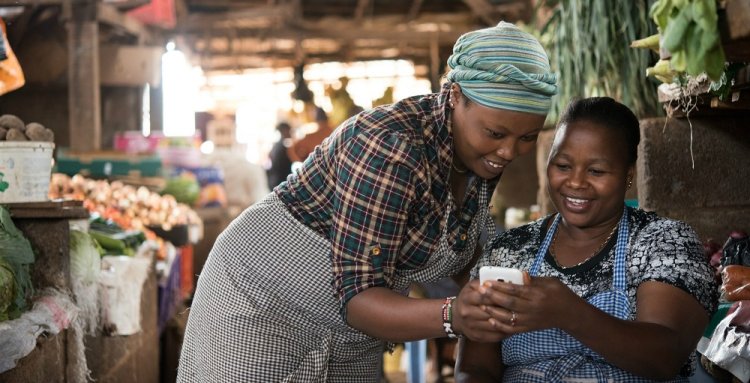
Mobile money has further accelerated financial inclusion, with 86% of Rwandans now using the service and 77% owning registered accounts, easing transactions and access to financial products.
Efforts to promote long-term financial security are also gaining ground. Participation in the Ejo Heza savings scheme rose from 7% in 2020 to 26% in 2024, while agricultural insurance under NAIS now covers 27% of farmers.
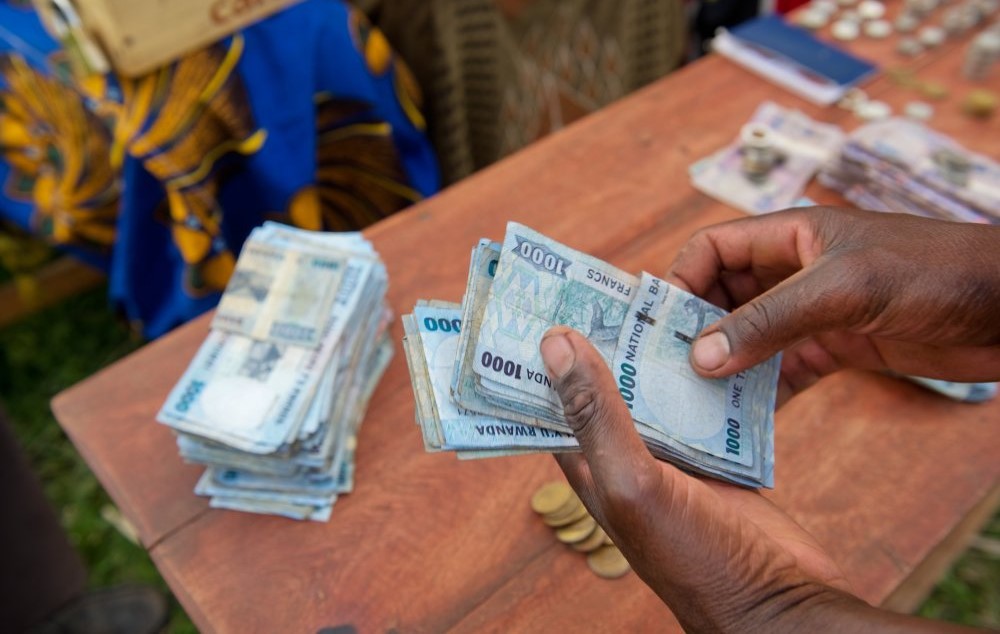
Despite the progress, cash transactions remain dominant, accounting for 92% of payments, while only 18% of workers receive salaries through digital channels.
Rwanda is targeting upper-middle-income status by 2035 and high-income status by 2050, with financial inclusion seen as a key pillar in achieving these ambitions.