Rwanda’s Gross Domestic Product (GDP) grew by 11.8 percent in the third quarter of 2025, reaching Rwf 5,525 billion, up from Rwf 4,659 billion recorded during the same period in 2024.
The figures were released on Tuesday, December 16, 2025, by the National Institute of Statistics of Rwanda (NISR), which said the growth reflects the country’s continued economic expansion at a steady pace throughout 2025.
According to NISR, the 11.8 percent growth follows earlier increases of 6.5 percent in the first quarter and 7.8 percent in the second quarter of 2025, indicating an acceleration of economic activity as the year progressed.
The services sector accounted for the largest share of GDP at 57 percent, followed by industry at 22 percent, agriculture at 15 percent, while net taxes contributed 6 percent, NISR reported.
The agriculture sector grew by 10 percent in the third quarter of 2025. Food crop production increased by 4 percent, while export crops recorded a significant rise of 35 percent.
Livestock production grew by 6 percent, while fishing expanded sharply by 34 percent, highlighting progress across various agricultural subsectors.
The industrial sector registered a strong growth of 17 percent, driven by a 14 percent increase in mining and quarrying activities and a 20 percent rise in construction.
Manufacturing output grew by 14 percent, largely due to substantial increases in cement production (44 percent), metal products (28 percent), and pharmaceutical production (25 percent). Food processing also rose by 12 percent.
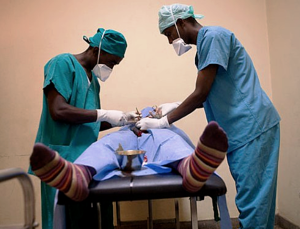
Within the services sector, information and communication technology (ICT) grew by 17 percent, while financial services expanded by 10 percent. However, hotels and restaurants declined by 3 percent, and health services dropped by 16 percent during the same period.
Public administration services increased by 7 percent, while education services recorded a 5 percent growth.
NISR noted that these indicators demonstrate Rwanda’s continued economic progress, particularly driven by growth in industry, services, and export-oriented agriculture, despite ongoing challenges in sectors such as hospitality and health.