Rwanda’s annual inflation rate rose to 9.2 percent in February 2026, up from 8.9 percent recorded in January, according to the latest Consumer Price Index report released by the National Institute of Statistics of Rwanda.
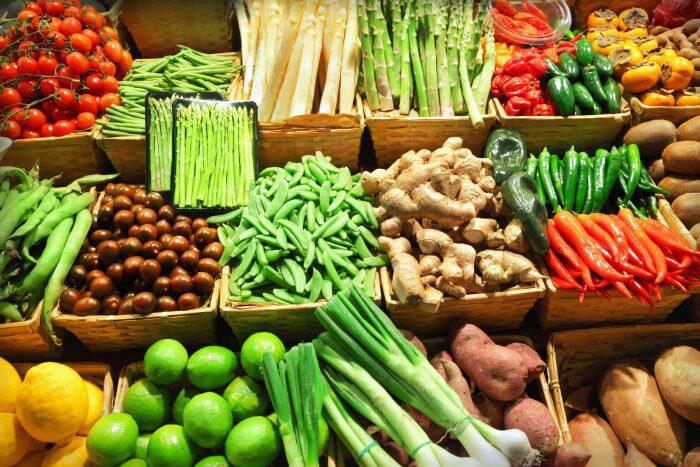
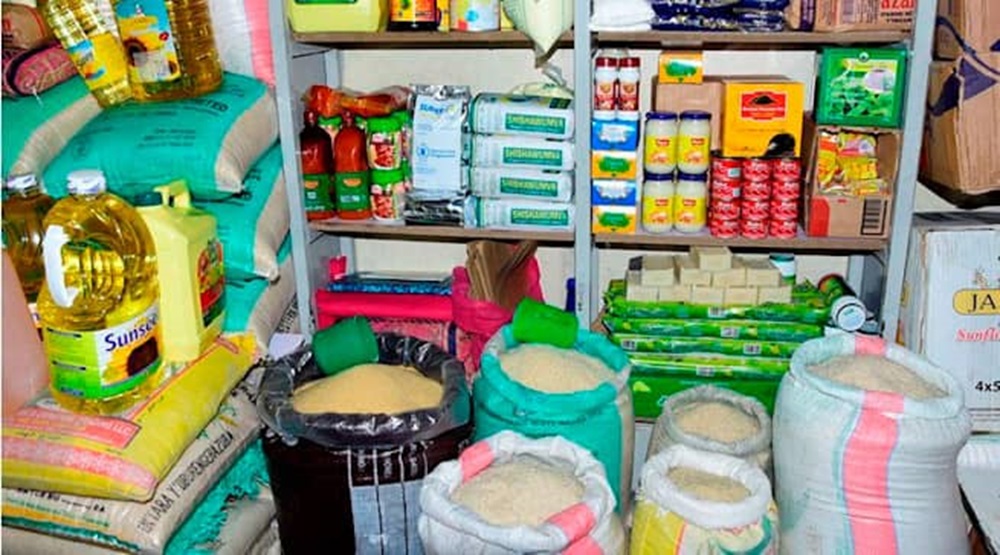
The statistics agency said the increase was largely driven by rising prices of food and non-alcoholic beverages.
According to the report, prices for food and non-alcoholic beverages increased by 4.6 percent, while alcoholic beverages and tobacco registered a sharper rise of 18.3 percent. Housing, water, electricity, gas and other fuels also recorded a 12.3 percent increase.
Health-related costs rose significantly by 71.1 percent, while transport prices increased by 8.6 percent. Prices in the restaurants and accommodation sector also went up by 19.9 percent.
On a month-to-month basis, comparing February to January 2026, consumer prices increased by 0.9 percent. The rise was mainly driven by food and non-alcoholic beverages, which grew by 0.4 percent, while alcoholic beverages and tobacco rose by 2.3 percent. Housing and utility costs increased by 1.8 percent, and restaurants and accommodation services rose by 2.7 percent.
Year-on-year, prices excluding food and energy products increased by 9.6 percent compared to February 2025.
The report also shows that inflation rose in rural areas. According to the National Institute of Statistics of Rwanda, consumer prices in rural areas increased by 7 percent in February 2026 compared to the same period last year, up from 6.5 percent recorded in January.
The rise in rural inflation was mainly driven by a 5.4 percent increase in food and non-alcoholic beverages, while prices of alcoholic beverages and tobacco rose by 14.9 percent. Restaurants and accommodation services also increased by 17.4 percent.
On a monthly basis, rural prices increased by 1.4 percent compared to January 2026, largely driven by a 1.8 percent increase in food and non-alcoholic beverages and a 2.6 percent rise in housing and utility costs.
Overall, the statistics agency reported that combined urban and rural consumer prices increased by 7.9 percent in February 2026 compared to February 2025, up from 7.5 percent recorded in January.
The benchmark inflation indicator used in Rwanda’s economic analysis is calculated using price data collected in urban areas.