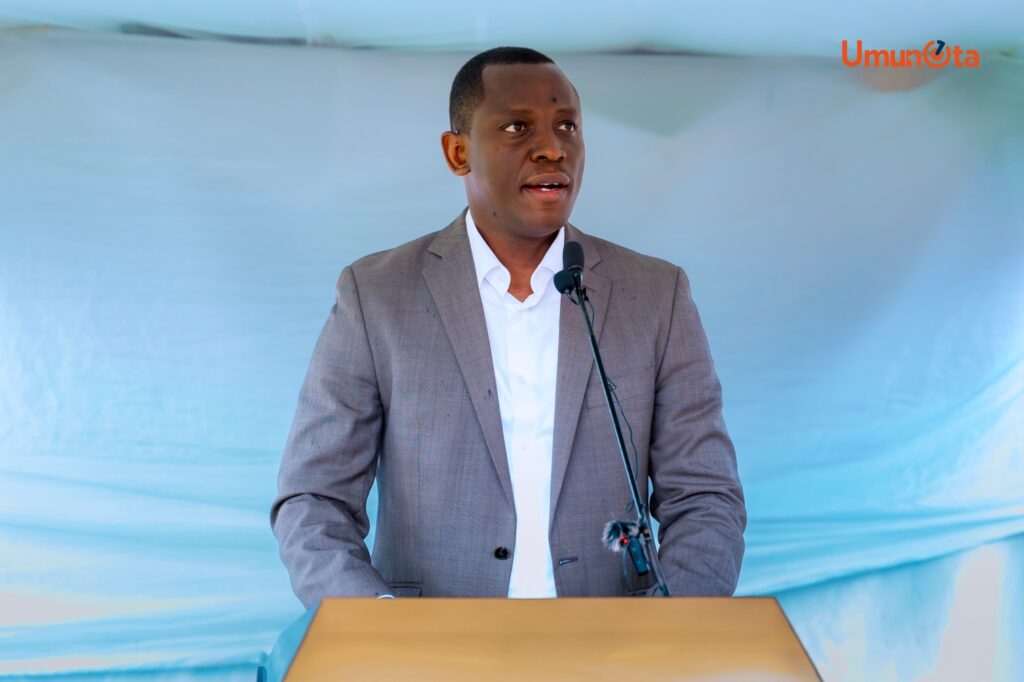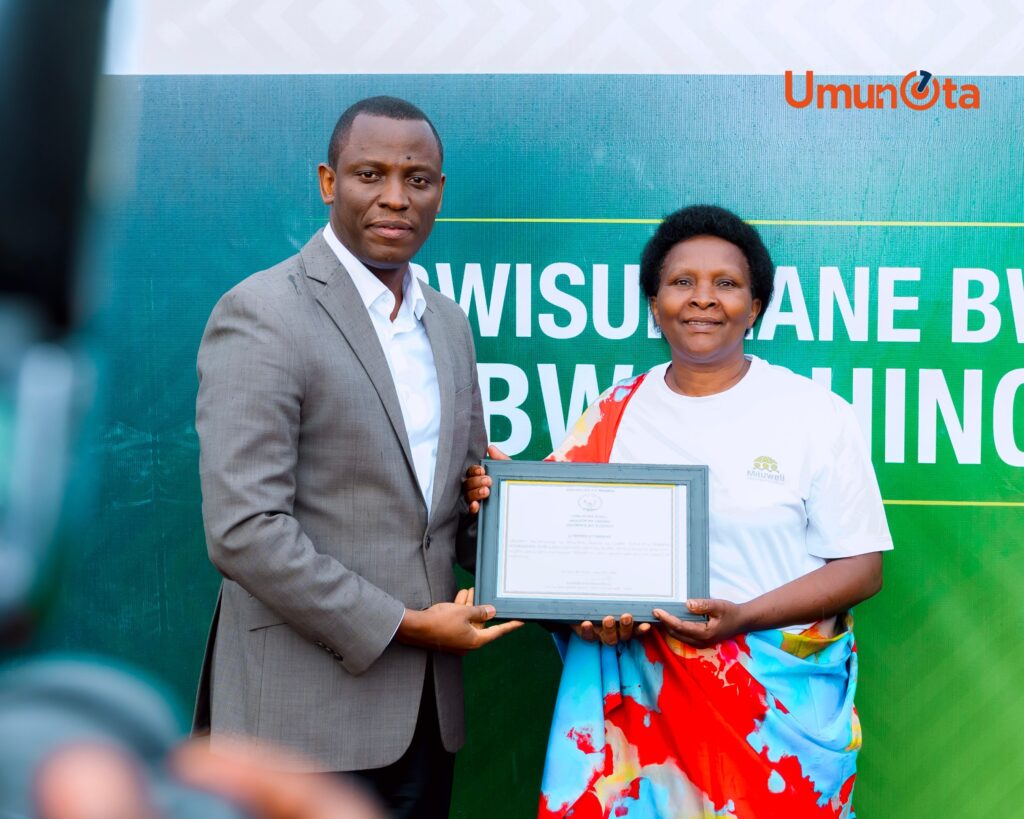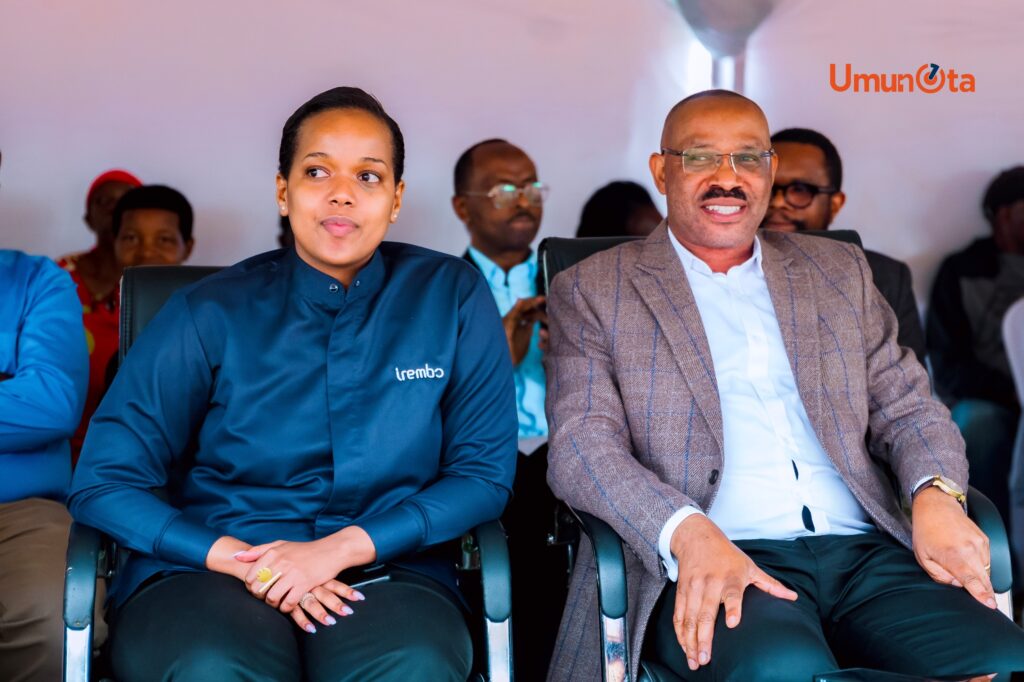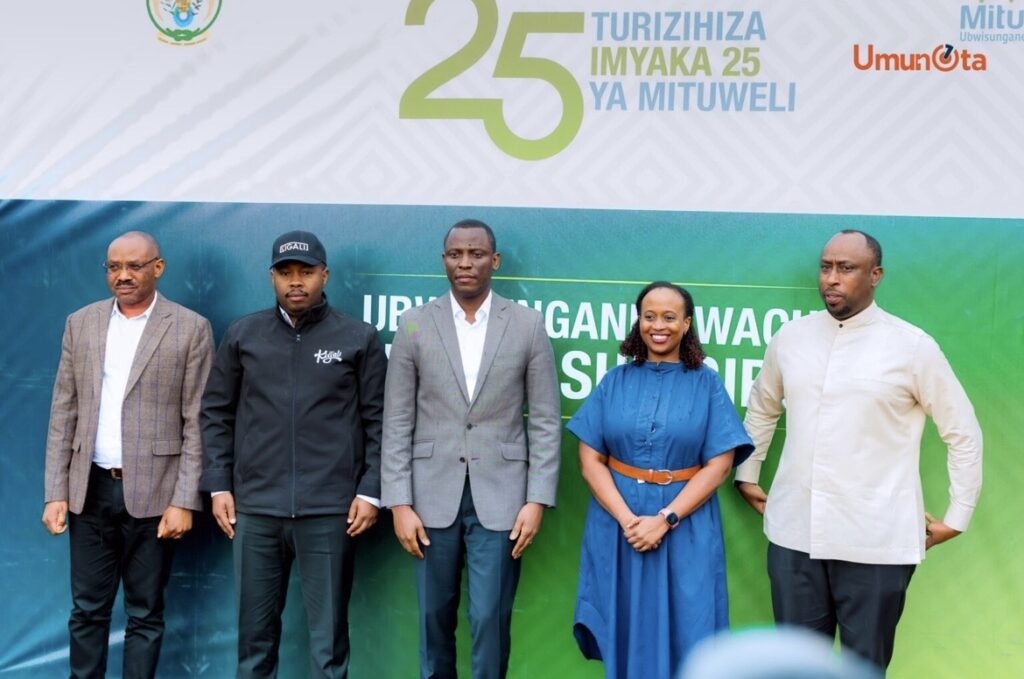
The Minister of Local Government, Dominique Habimana, commended citizens for supporting the Community-Based Health Insurance (CBHI) scheme over the past 25 years, highlighting its role in strengthening the quality of healthcare services.
He spoke on Tuesday, February 24, 2026, during celebrations marking 25 years of CBHI, organized by the Government of Rwanda through the Ministry of Health and the Rwanda Social Security Board (RSSB) in Rutunga Sector, Gasabo District.
Minister Habimana said that over 25 years, CBHI has contributed to improving citizens’ welfare, reducing mortality, increasing life expectancy, and helping the country reach its current development milestones.
He emphasized that today, thanks to CBHI, every Rwandan can access healthcare starting from health centers across the country, and for specialized services, treatment is available at referral hospitals such as King Faisal Hospital and CHUK.
Minister Habimana noted that as diseases evolve and healthcare services advance, CBHI must also keep pace.
“As time passes, circumstances change, and so do healthcare needs. Because diseases evolve, medical services must also adapt. CBHI has not been left behind; it has been updated to cover diseases that were previously untreatable under the scheme,” he said.
In 2023, 14 new services were added to CBHI, including dialysis, cancer treatment, kidney transplants, advanced cardiac care, minimally invasive surgery, and organ and tissue transplants.
Minister Habimana explained that to support this expansion, the government decided to increase citizens’ contributions, raising premiums for over 70% of members by Rwf2,000—from Rwf3,000 to Rwf5,000—based on each household’s financial capacity.
“These changes to CBHI contributions were carefully designed to reflect the capacity of each household. The Ministry of Local Government conducted nationwide consultations down to the village level to ensure fairness,” he said.
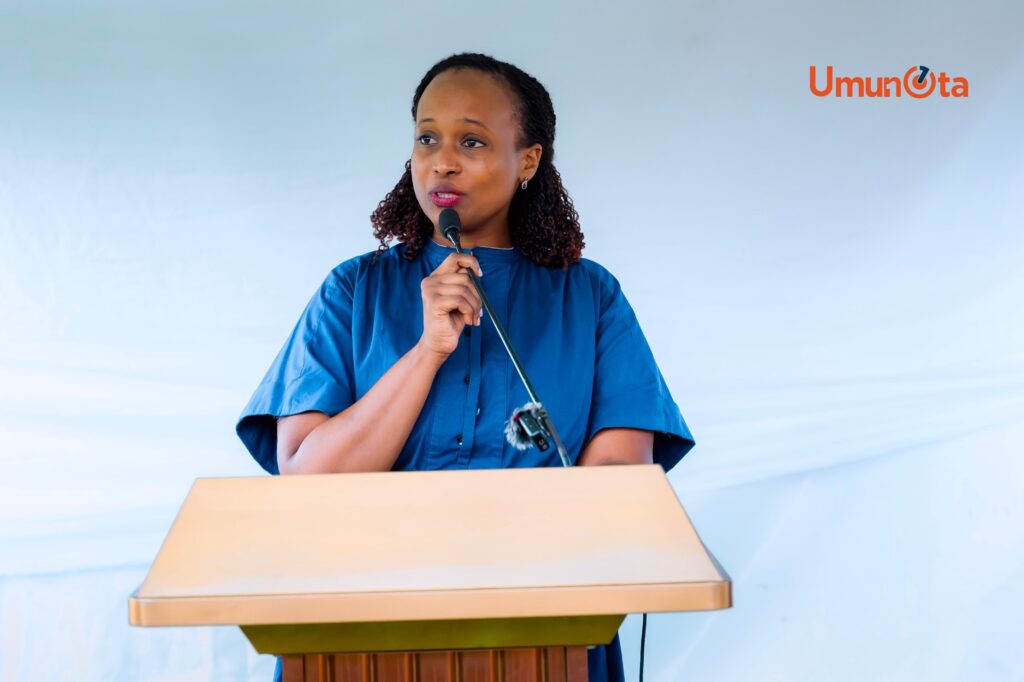
Deputy Director General of RSSB, Louise Kanyonga, said that over the past 10 years, the amount spent on treating CBHI members more than doubled—from Rwf39 billion to Rwf98 billion in 2024/2025—driven by rising healthcare costs and the addition of expensive new services.
She added that in 2025, members’ contributions reached Rwf31 billion, representing 34% of total healthcare spending for members, highlighting the need to further strengthen the scheme.
Kanyonga noted that while the contribution increase is a step forward, more support is needed, and RSSB will continue working with the government and partners to bridge the funding gap.
“There will continue to be a gap, but we are fortunate to have a government that prioritizes Rwandans. We will keep seeking solutions together with partners and citizens, because CBHI belongs to all of us,” she said.
Beneficiaries praise CBHI
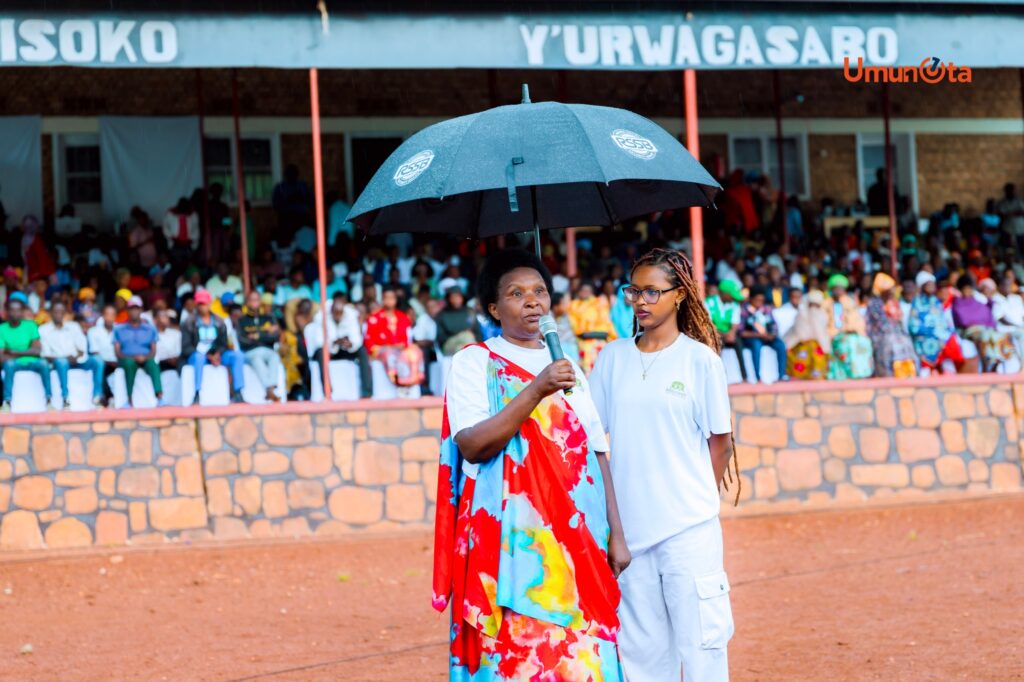
Cecile Nyirabaramya, a resident of Rutunga Sector, said that before CBHI, her children frequently suffered from malaria, but access to healthcare through the scheme transformed their lives. She has shared this information with neighbors as well.
She welcomed the increased contributions, noting that CBHI now covers serious conditions that have become more common, such as cancer and complex surgeries.
“Before, some illnesses were not covered. Now CBHI treats cancer, performs brain and spinal surgeries. Personally, I think the increased contributions are reasonable,” she said.
The expanded coverage will help address the rise of chronic diseases such as heart disease and cancer, especially in major referral hospitals.
Under the new premium structure, 70% of members who were paying Rwf3,000 will now pay Rwf5,000. Higher-income members will contribute Rwf8,000, while the top 8% will pay Rwf20,000.
In addition to raising contributions, RSSB has reformed the disbursement system for health centers, moving from quarterly payments to advance funding, ensuring uninterrupted and quality healthcare services.