Every year on February 1, Rwanda marks National Heroes Day, bringing together citizens at home and abroad to honour the country’s heroes and reflect on the values they embodied in the struggle to build and advance the nation.
Rwanda recognises heroes across different categories, with the first day of February set aside for their national commemoration. Before 1999, however, between 1994 and 1998, Heroes Day was observed on October 1, alongside National Liberation Day.
The commemoration is both a tribute to those who made extraordinary sacrifices for Rwanda and a call to inspire younger generations to uphold values of patriotism, unity and selflessness.
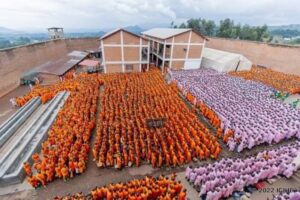
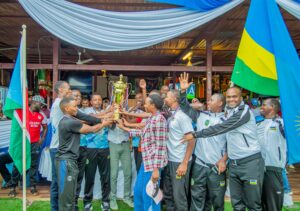
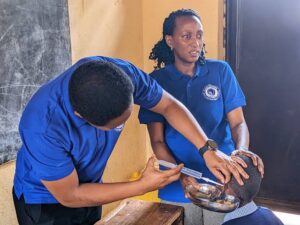
Activities marking the day include public dialogues, sports competitions, cultural performances and other community engagements.
The 32nd National Heroes Day is being observed under the theme: “Heroism and Unity of Rwandans: Pillars of Development.”
The celebrations were preceded by a Heroes Month, observed from January 4 to 31, 2026, during which nationwide awareness campaigns encouraged Rwandans to actively participate in the commemoration and live by the values of heroism in their daily lives.
The history of Rwanda’s Heroes
At a Cabinet meeting held on December 9, 2001, the government officially recognised 53 heroes in the first phase.
Earlier, on December 31, 1995, just 17 months after the end of the Genocide against the Tutsi, Cabinet had established a commission tasked with identifying Rwanda’s national heroes.
Rwanda’s heroes are classified into three categories, based on the level of heroism demonstrated: Imanzi, Imena and Ingenzi.
Imanzi: The highest rank of heroism
The Imanzi category is the highest and honours heroes who made exceptional sacrifices for the nation, including giving their lives.
To date, it includes only two heroes: Major General Fred Gisa Rwigema and the Unknown Soldier.
Maj Gen Fred Gisa Rwigema demonstrated outstanding courage through his role in launching the liberation struggle aimed at restoring national unity and dignity. He was killed on October 2, 1990, a day after the struggle began, in Kagitumba, Nyagatare District, in the Eastern Province. He remains a powerful symbol of patriotism and ultimate sacrifice.
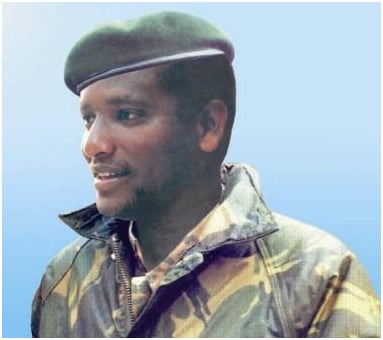
The Unknown Soldier represents all Rwandan soldiers who lost their lives defending the country—past, present and future—and stands as a tribute to those who gave everything to protect Rwanda’s sovereignty.
Imena: Heroes of exceptional service
The second category, Imena, includes individuals who demonstrated extraordinary dedication and selflessness throughout their lives.
Those recognised under this category are King Mutara III Rudahigwa, Michel Rwagasana, Agatha Uwilingiyimana, Félicité Niyitegeka, and the Nyange students, Sylvestre Bizimana, Chantal Mujawamahoro and Mukambaraga.
Key profiles of the Imena heroes
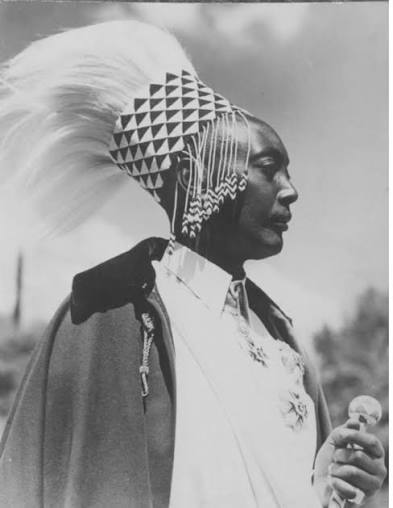
King Mutara III Rudahigwa (Charles Léon Pierre)
Rudahigwa was known for his firm stand against injustice and his commitment to unity and independence. Through the King’s Court and daily leadership, he defended citizens’ rights, particularly those of the vulnerable—values many believe ultimately cost him his life.
Agatha Uwilingiyimana
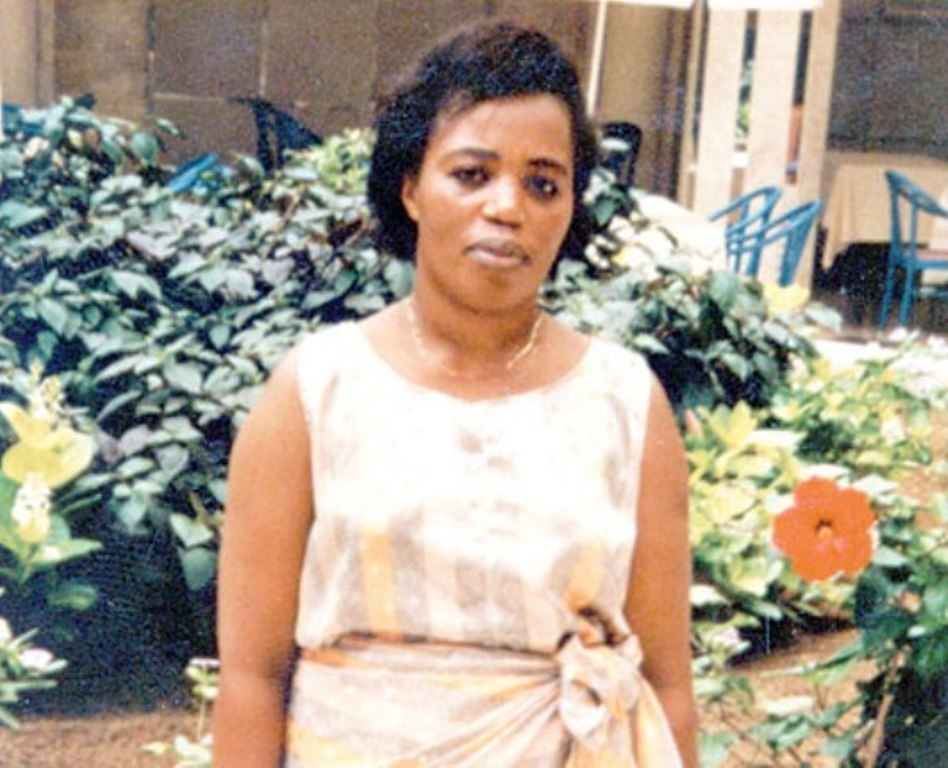
Rwanda’s first female Prime Minister, Uwilingiyimana served from July 17, 1993, to April 7, 1994. She was killed during the 1994 Genocide against the Tutsi.
As Minister of Education, she opposed discrimination based on ethnicity and region, and during the genocide she continued to exercise leadership in a bid to restore calm. She remains one of Rwanda’s strongest symbols of principled leadership and women’s rights.
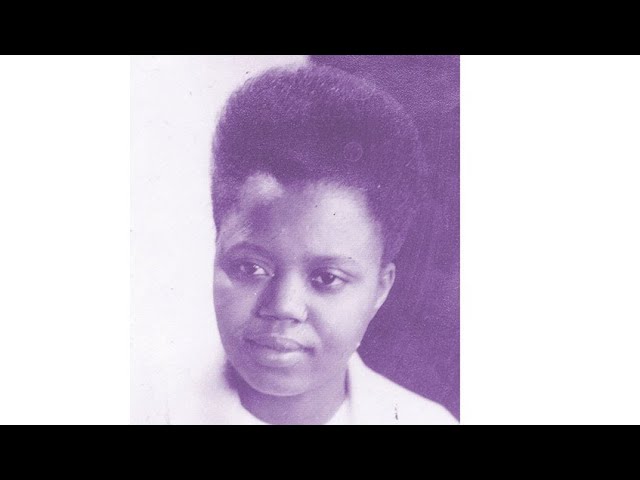
Félicité Niyitegeka
Niyitegeka was killed on April 21, 1994, during the Genocide against the Tutsi, after refusing to abandon those she had sheltered at Centre Saint Pierre in Gisenyi, choosing solidarity over her own safety.
Michel Rwagasana
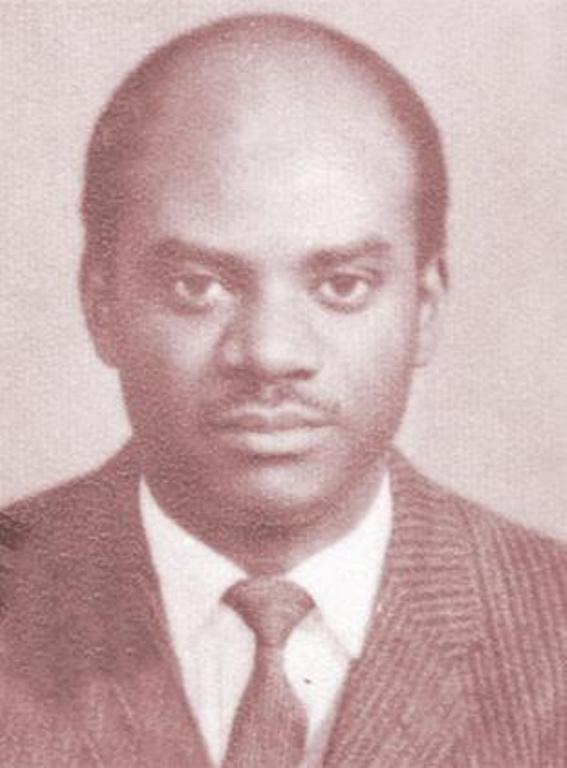
Rwagasana served in several senior roles, including Secretary-General of the High Council of the Country from 1954 and Private Secretary to King Mutara III Rudahigwa.
A leading advocate of unity and independence, he became the first Secretary-General of UNAR and represented Rwanda internationally, including at the United Nations. He rejected ethnic-based politics, choosing national interest over personal gain.
The Nyange students
The Nyange students recognised as heroes are those who faced an attack on March 18, 1997, at Nyange Secondary School. Both survivors and those killed that night upheld the principles of unity, refusing to be divided—even at the cost of their lives. They remain a powerful example for Rwanda’s youth.
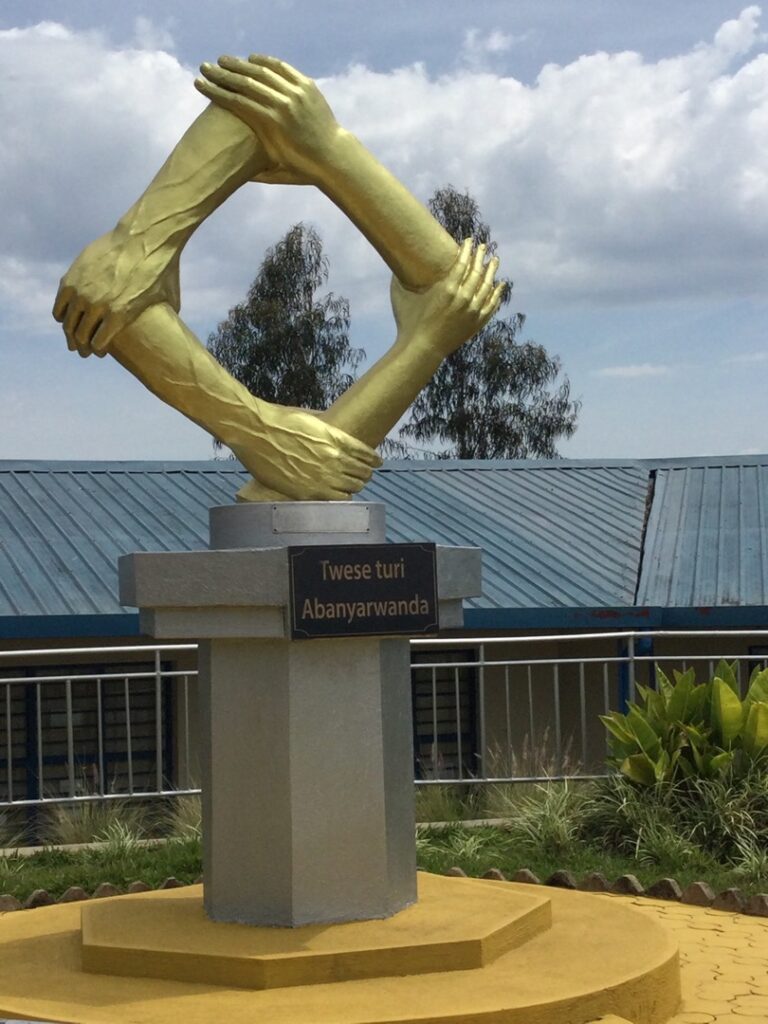
Ingenzi: A category still under review
The third category, Ingenzi, is reserved for individuals who demonstrate exceptional excellence in action, thought and conduct, serving as outstanding role models.
So far, no hero has been placed in this category, as research on potential candidates is ongoing.
Heroism as a culture of self-reliance
Speaking on January 31, 2026, during community service (umuganda) marking the end of Heroes Month, Prime Minister Dr Justin Nsengiyumva said self-reliance and home-grown solutions are at the heart of Rwandan heroism.
“Those heroes, young men and women shed their blood so that we can build and develop our country with dignity,” he said.
“When they see us working for development, they are proud, because that is exactly what they fought for.”
Organisation of Heroes Day
Heroes Day is organised by the Chancellery for Heroes, National Orders and Decorations of Honour (CHENO), in line with Law No. 65/2024 of June 20, 2024.
Commemorations take place at all levels, from national to village, and include historical discussions, the President’s wreath-laying at the Heroes Mausoleum, and cultural and sports activities.
National orders and medals of honour
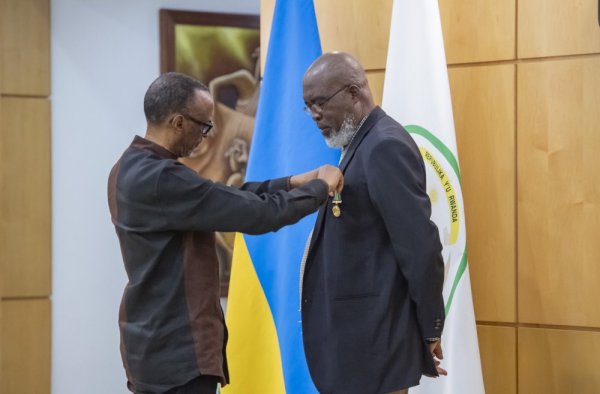
February 1 also serves as a moment to recognise individuals awarded national orders and medals by the President for their outstanding contribution to national life.
Induction of Heroes
Since 2009, CHENO has been responsible for identifying and classifying Rwanda’s heroes. Individuals may apply personally or nominate others, after which the institution conducts in-depth research. CHENO may also independently identify potential heroes.
Heroism: A core national value
Heroism is a cornerstone of Rwanda’s culture, inherited from ancestors who founded, protected and developed the nation. Its significance is enshrined in the National Anthem, Rwanda Nziza, which honours the sacrifices of heroic ancestors and calls on all Rwandans to safeguard the country’s independence.
In a message delivered on February 1, 2010, President Paul Kagame captured the enduring spirit of Heroes Day, noting that heroism today lies in confronting poverty and outdated mindsets, and calling on Rwandans to make courage and responsibility guiding principles in their pursuit of development.