Rwanda’s Senate has summoned Prime Minister Dr. Justin Nsengiyumva to outline government plans to address critical challenges affecting the livestock sector and the livelihoods of farmers.
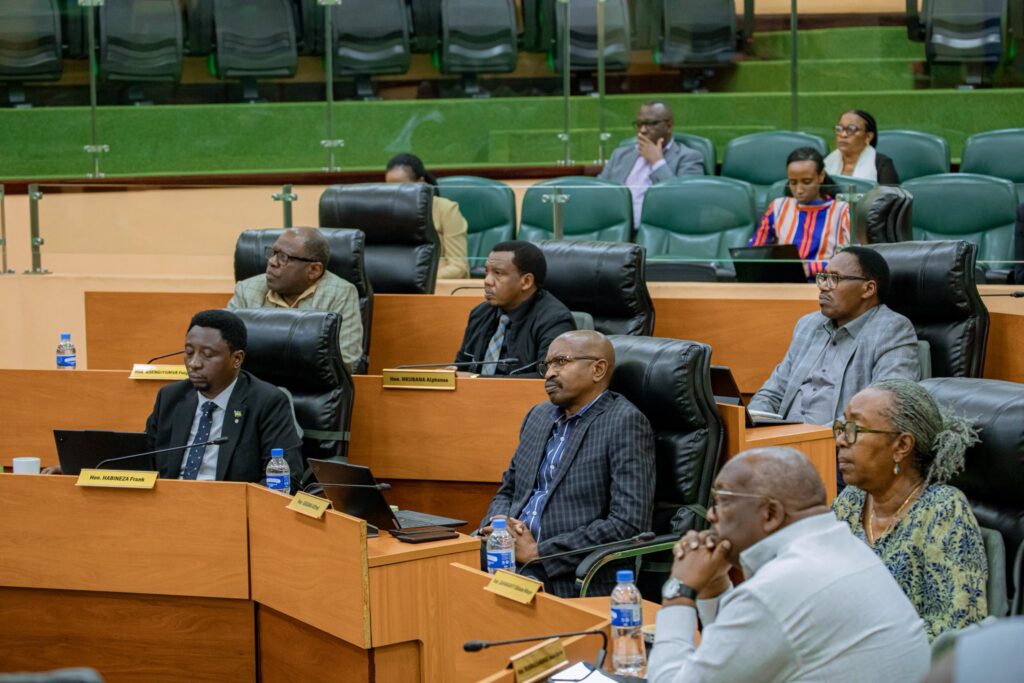
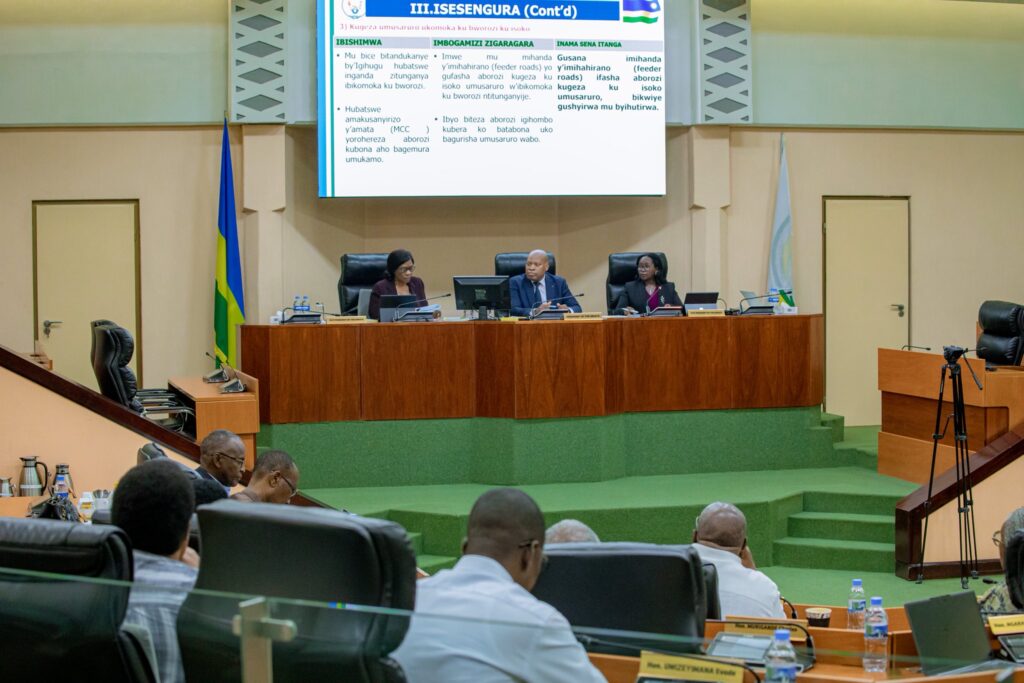
The call came during a parliamentary session on Monday, March 3, 2026, where senators reviewed a post-inspection report on livestock projects across the country.
The report highlighted persistent problems, including limited access to cattle semen due to shortages of nitrogen needed for preservation and transport, and the inability of delivery aircraft to reach remote districts such as Rusizi and Nyamasheke.
Senators also noted that artificial insemination practices are inconsistently followed, with some farmers still taking livestock to open grazing areas, reducing the effectiveness of breeding programs.
Another concern raised was the absence of regulatory guidelines for veterinary medicine pricing, resulting in high costs set solely by market forces.
Senator Marie-Rose Mureshyankwano highlighted issues with livestock insurance, noting that farmers frequently face delays or claim denials, sometimes with companies blaming the animal owner to avoid payouts. She urged the creation of an independent body to investigate livestock deaths objectively.
Senator Fulgence Nsengiyumva raised concerns over the high cost of animal feed, which continues to burden farmers despite efforts to produce it locally.
On veterinary services, Senator Télesphore Ngarambe reported that Rwanda has only five veterinary laboratories, with none in the Northern Province, limiting disease diagnosis and timely treatment. He added that some farmers use veterinary drugs of unknown origin, risking livestock health, a concern echoed by Senator Adrie Umuhire.
“Some veterinary drugs are expensive and substandard. Farmers report that these medicines sometimes kill animals or cause blindness,” Ngarambe said.
Senators also pointed to restrictions in Kigali preventing farmers from repairing or upgrading animal housing, and emphasized the lack of regulatory oversight for veterinary medicines, unlike human pharmaceuticals.
Senator Cyprien Niyomugabo called for promoting small livestock farming, such as rabbits, to boost food security. He criticized cultural biases that lead some consumers to prefer low-quality beef over high-quality small livestock meat, based on the mistaken belief that small animals are not suitable for consumption.
The Senate’s intervention underscores growing parliamentary pressure on the government to strengthen policies, improve veterinary services, and support farmers in modernizing Rwanda’s livestock sector.