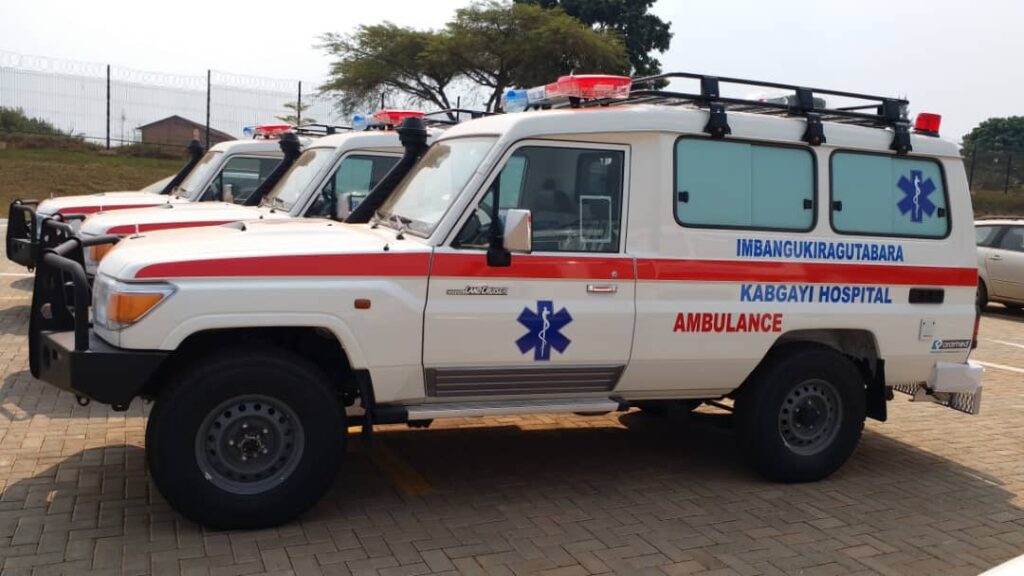
Rwanda is advancing emergency medical services by integrating technology into its ambulance fleet, a move aimed at preventing accidents and improving patient care. Health Minister Dr. Sabin Nsanzimana explained that the new systems help ensure ambulances operate safely, even under high-pressure conditions.
Speaking to Parliament during a session on government health initiatives, Dr. Nsanzimana emphasized that the upgraded ambulances are equipped with technology that prevents drivers from operating under the influence of alcohol. “If alcohol is detected, the vehicle will not move,” he noted, underscoring the focus on safety for both patients and road users.
The ambulances are also fitted with cameras that record both the driver’s behavior and patient transport, reducing misuse and improving accountability. These measures address prior concerns raised by legislators about ambulances speeding and violating traffic rules, which previously led to accidents and put lives at risk.
Prime Minister Dr. Justin Nsengiyuma highlighted that ambulances should always have priority on the road to save lives and that other drivers must yield to them. Minister Nsanzimana reinforced this point, urging the public to respect ambulance right-of-way as a civic duty.
Rwanda’s emergency response capacity has nearly doubled, with the national fleet expanding from 263 ambulances in 2023 to 510 today. Average response times have also improved significantly, dropping to 15 minutes in Kigali and 45 minutes in rural districts, compared to previous times of up to two and a half hours.
These improvements reflect Rwanda’s ongoing commitment to citizen-centered healthcare, combining modern technology, rigorous safety protocols, and expanded coverage to ensure faster, more reliable emergency medical services nationwide.