Reading to children is not merely a comforting bedtime tradition, it is a scientifically proven foundation for brain development, language acquisition and confidence building, experts say.
For many adults, childhood memories include teachers reading stories such as Bakame, Ngunda, Petero Nzukira, and The Girl from Gisabo. These stories did more than entertain; they shaped imagination, strengthened vocabulary and deepened understanding of language.
Today, however, education advocates warn that the culture of reading aloud to children is gradually declining.
Scientific research in neuroscience and psychology confirms that early exposure to books significantly influences brain growth. Studies using functional Magnetic Resonance Imaging (fMRI) reveal that children who are regularly read to show stronger activity in areas of the brain responsible for mental imagery and language processing. This stimulation enhances comprehension skills and prepares children for academic success.
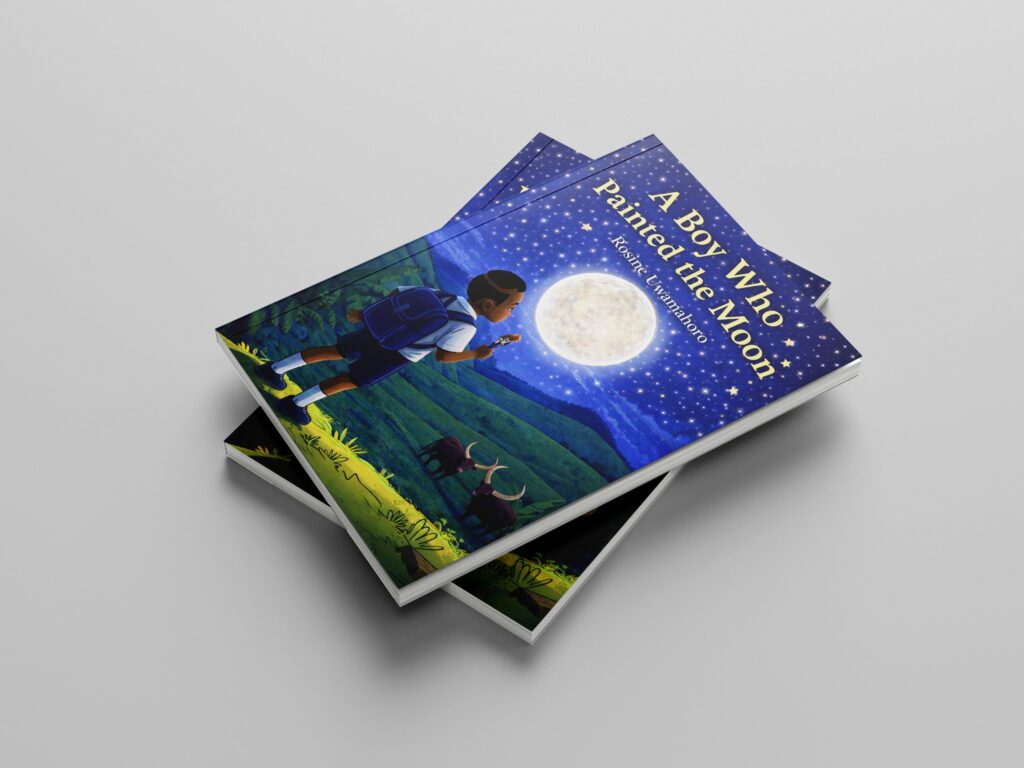
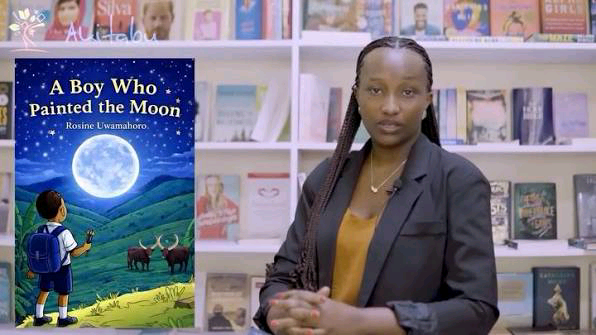
Author Rosine Uwamahoro reinforces this message in her book A Boy Who Painted the Moon, published by Akitabu Publishers. The book encourages children to pursue their dreams and urges parents to play an active role in nurturing them.
“The book aims to instill confidence in children,” Uwamahoro explains. “There is no dream too big — whether becoming a pilot or a professional footballer. Parents must support their children’s ambitions.”
She cautions that technology is slowly replacing books in many households.
“In Rwanda, the reading culture is fading. Many parents come home and give their children television to keep them busy instead of reading with them. Reading builds love, confidence and the ability to think beyond immediate surroundings,” she says.
Parents who have embraced reading testify to its impact.
Umutoni Diane, whose 10-year-old child authored Seana Au Paudium, says consistent encouragement at home makes a difference. The book recounts how her child overcame stage fright during a performance in Canada after receiving reassurance from parents.
“Parents must constantly remind their children that they are capable,” she says, urging families to cultivate reading habits early.
Mukamuhire Ernestine of Akitabu Publishers agrees that reading opens children’s minds at a time when social media is competing for attention.
“In this digital era, reading is losing value. We encourage parents to dedicate time to reading with their children from an early age. When children are read to, they gain vocabulary, confidence and the courage to express themselves,” she says.
Education experts emphasize that reading aloud is not simply storytelling — it is an investment in cognitive growth, emotional intelligence and lifelong learning.
As families navigate a rapidly evolving digital world, the simple act of opening a book may remain one of the most powerful tools for shaping a child’s future.