Rwanda’s education system has undergone one of the most significant transformations in the country’s post-Liberation history, expanding from a heavily damaged system after the 1994 Genocide against the Tutsi to near-universal access at primary level and major gains across all education stages.
As the country prepares to mark the 32nd Liberation anniversary on July 4, officials and education experts highlight progress in enrolment, infrastructure, teacher development, and inclusion, despite remaining challenges in quality and learning outcomes.
Speaking to Rwanda Television, Dr. Flora Mutezigaju, Deputy Director General of the Rwanda Basic Education Board (REB), said the sector has shifted from limited access before 1994 to mass enrolment today, supported by sustained reforms and investments.
Before 1994, only about 60% of children accessed primary education, and just 24% completed the cycle. Today, primary school enrolment has risen to about 95%, with nearly three million children in classrooms across the country.
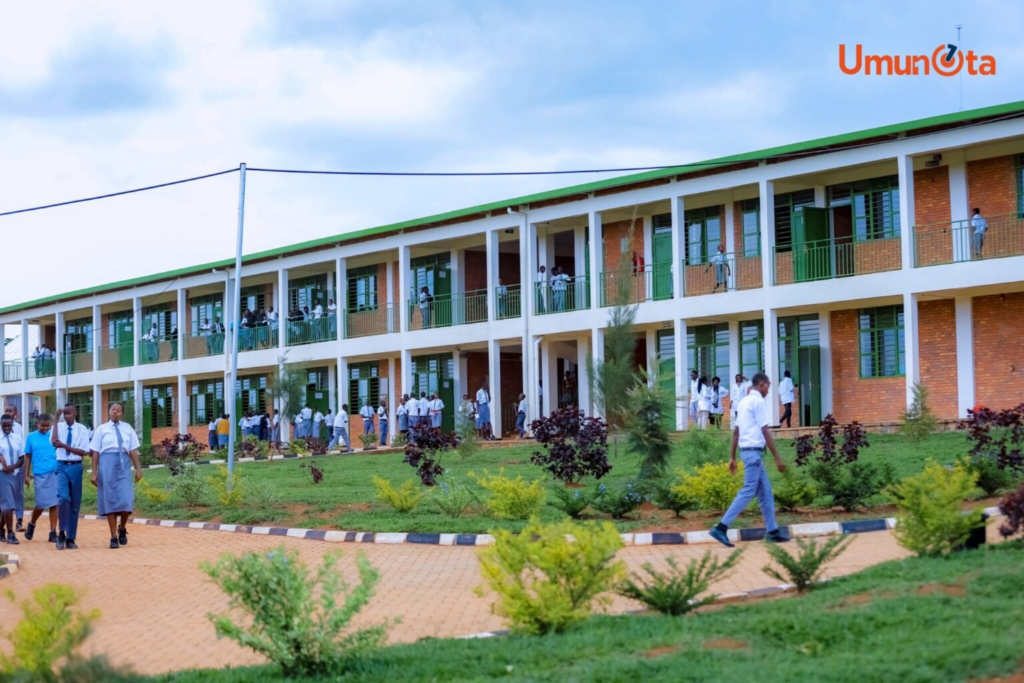
At pre-primary level, Rwanda had no formal nursery system before the genocide. The country now has more than 4,200 pre-primary schools, reaching about half of children aged 3–5.
Secondary education has also expanded sharply. Where only about 1% of children accessed secondary school before 1994, enrolment now stands at about 23%, representing more than 950,000 learners.
Higher education has moved from being extremely limited to increasingly accessible, with more than 40,000 university graduates produced annually and about 4.3% of the population now holding university degrees.
The growth has been supported by a major expansion in infrastructure and human resources. The number of schools has risen from around 2,000 in 1994 to more than 4,900 today, while the student population has grown to over 4.9 million learners.
The teaching workforce, which was severely affected during the genocide, has been rebuilt to more than 100,000 teachers across all levels of education.
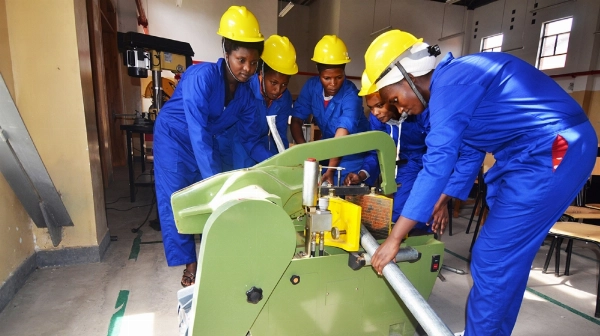
Key reforms have shaped the sector’s recovery, including the introduction of free Nine-Year Basic Education in 2006 and its extension to Twelve-Year Basic Education in 2012, aimed at widening access and reducing financial barriers to schooling.
Curriculum reforms and the adoption of English as the main language of instruction in 2008–2009 were introduced to align Rwanda’s education system with regional integration in the East African Community and global competitiveness.
The government has also prioritised technical and vocational education and training (TVET) to equip young people with practical skills and reduce unemployment.
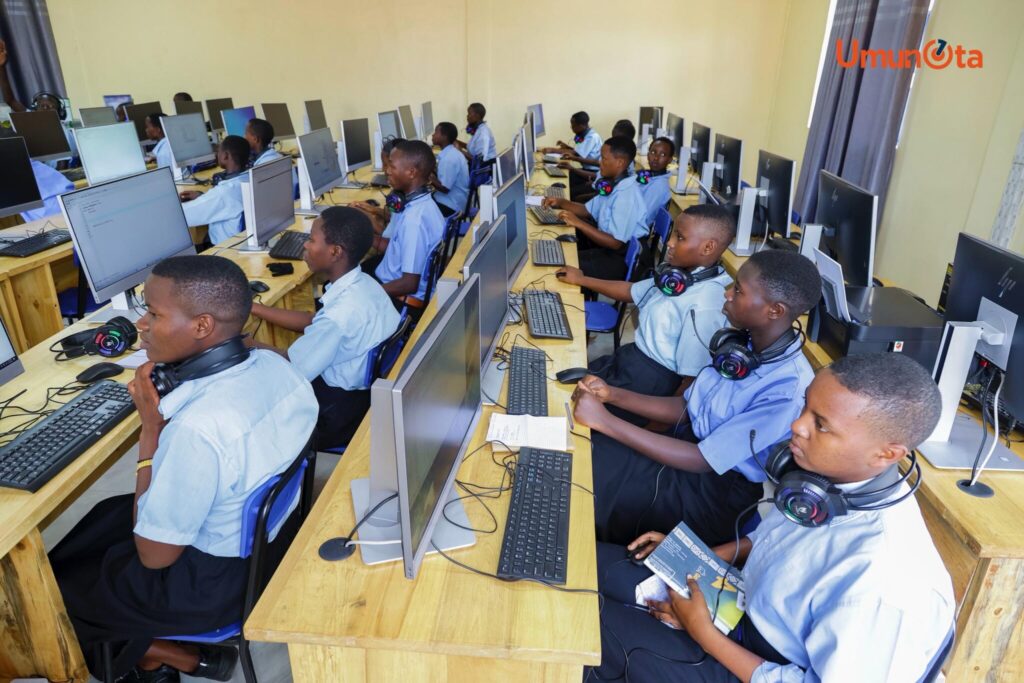
Digital transformation has further reshaped learning, including the introduction of the “One Laptop per Child” programme in 2007 and the expansion of smart classrooms and internet connectivity in schools. Artificial intelligence tools are now also being gradually introduced into teaching and learning.
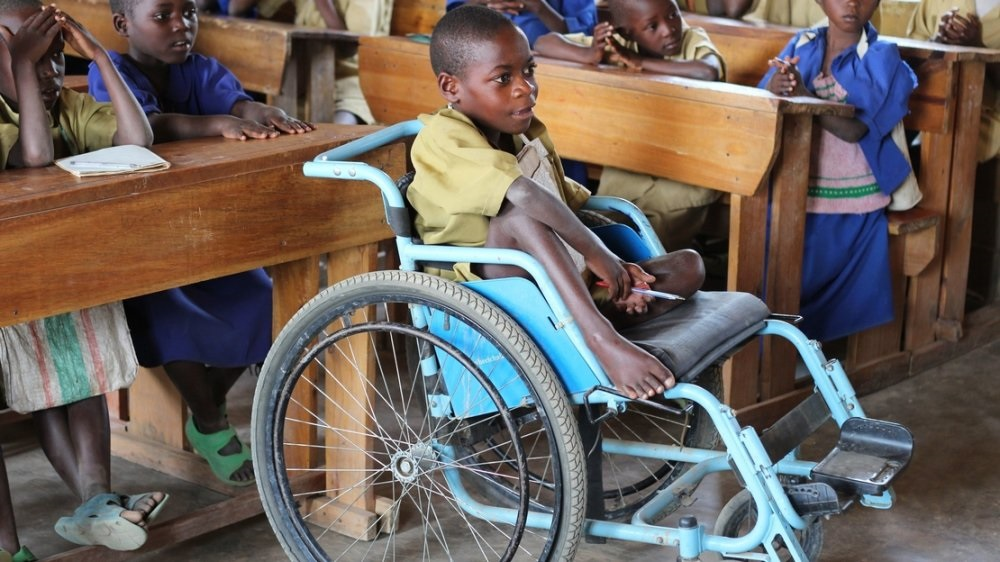
Infrastructure development has accelerated in recent years, including the construction of more than 22,000 classrooms between 2020 and 2021 to address overcrowding and improve access.
Currently, more than 80% of schools are connected to electricity, while nearly 70% have access to clean water.
Efforts to promote inclusive education have also expanded, with increased enrolment of learners with disabilities, refugees, orphans, and children in rehabilitation centres receiving tailored support.
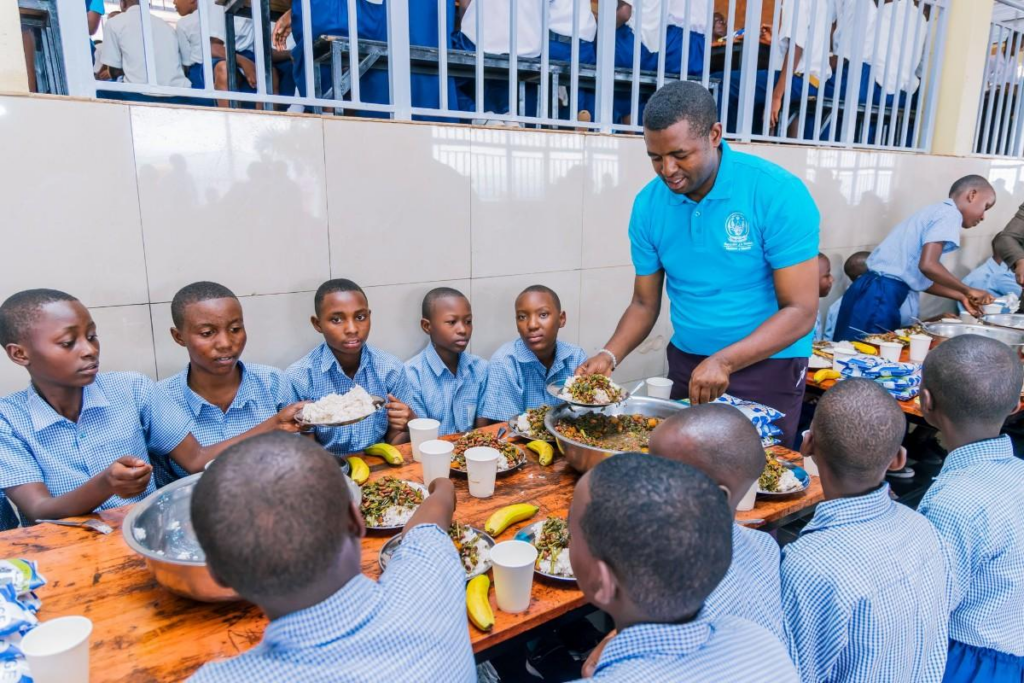
School feeding programmes introduced in 2019 now benefit over four million learners, improving attendance, retention, and performance, particularly among children from vulnerable backgrounds.
While significant progress has been recorded, officials acknowledge that continued focus is needed on improving learning outcomes and ensuring quality keeps pace with expanded access.