



More than three decades after the 1994 Genocide against the Tutsi, Rwanda has rebuilt itself from a country devastated by conflict into one widely regarded as a fast-growing and reform-driven economy in Africa.
Over the past 32 years, the country has undergone deep political, economic, and social transformation, anchored in rebuilding state institutions, restoring stability, and driving long-term development.
State rebuilding and governance reforms
In the immediate post-genocide period, Rwanda faced near-total institutional collapse, including destroyed infrastructure, a weakened economy, and mass displacement of citizens.
The government that followed prioritised national unity, reconciliation, and the restoration of functioning institutions. Over time, governance reforms focused on accountability, efficiency in public service delivery, and citizen-centred development planning.
Rwanda is now frequently cited for improvements in public safety, reduced corruption, and stronger public sector performance compared to the post-1994 period.
Strong and sustained economic growth
Economic recovery has been one of the most visible pillars of Rwanda’s transformation.
According to official data, the economy has expanded significantly over the past three decades, with gross domestic product (GDP) rising from about $1.4 billion in 1994 to an estimated $14 billion in 2026.
The Ministry of Finance and Economic Planning (Ministry of Finance and Economic Planning (MINECOFIN)) reports that the economy has grown at an average rate of around 8% annually over the period, driven by reforms and expansion across key sectors.
Recent figures show continued momentum, with Rwanda’s economy growing by about 9.4% in 2025, supported by strong performance in services, industry, and agriculture. (Ministry of Finance)
GDP per capita has also increased substantially, rising from roughly $200 in the mid-1990s to nearly $1,000 in recent years.
Investment growth and Kigali’s regional role
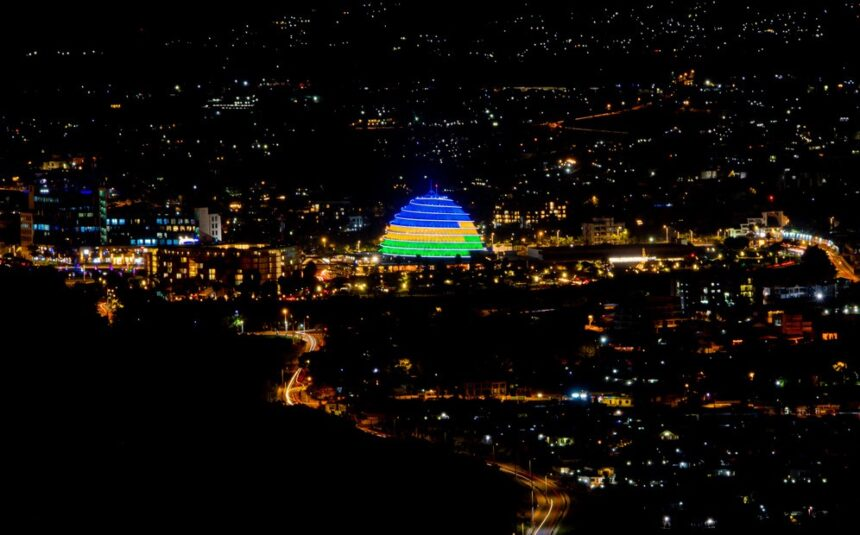
Rwanda has positioned itself as an investment-friendly destination and an emerging regional services hub.
Kigali has become a key location for international conferences and business events, supported by modern infrastructure such as the Kigali Convention Centre and improved hospitality facilities. This has boosted the country’s Meetings, Incentives, Conferences and Exhibitions (MICE) sector.
In 2025, the sector generated about $94.7 million from 165 hosted events, reflecting Rwanda’s growing role in regional business tourism.
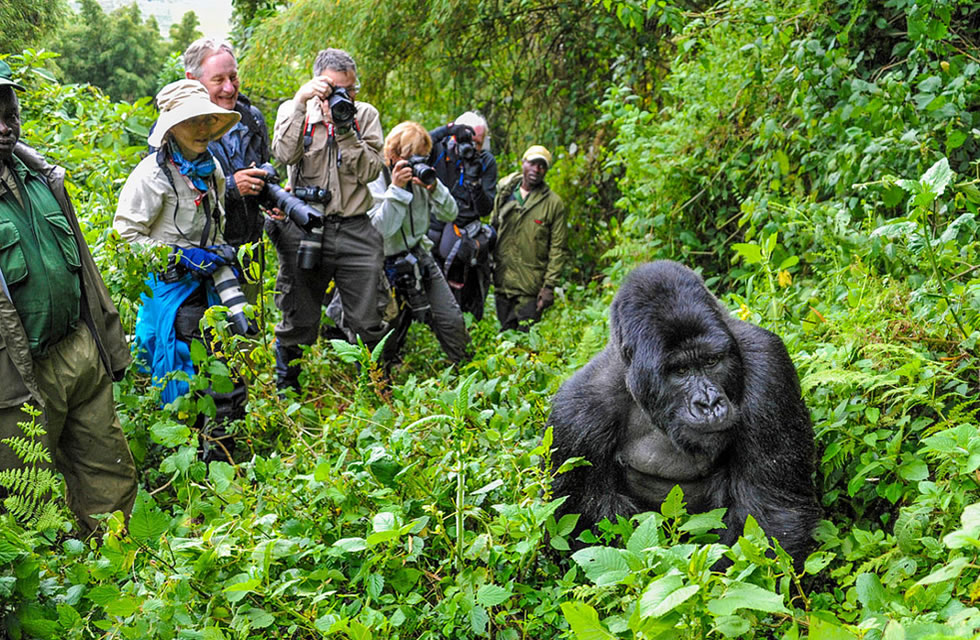
Tourism has also expanded strongly, with visitor arrivals reaching about 1.49 million in 2025, reflecting growth in both leisure and business travel.
Digital transformation and innovation
Digitalisation has played a central role in Rwanda’s development strategy.
Public services are increasingly delivered through online platforms such as Irembo, while mobile money and digital payments have expanded financial inclusion. Internet connectivity has also improved access to information and services across the country.
Rwanda has also gained global attention for innovation in logistics and health systems, including drone-based delivery of blood and medical supplies to remote areas.
Health system improvements
Significant investment in healthcare infrastructure and services has contributed to improved health outcomes.
The expansion of health facilities and the community-based health insurance scheme (Mutuelle de Santé) has increased access to healthcare for millions of citizens.
As a result, maternal and child mortality rates have declined, while life expectancy has improved compared to the post-1994 period.
Education expansion and human capital
The education sector has undergone major expansion, with increased school infrastructure and reforms aimed at universal access.
The introduction of the 12-year basic education programme and expansion of technical and vocational education and training (TVET) have strengthened skills development.
Primary school enrolment has grown from just over one million children before 1994 to nearly three million today. Early childhood education, which did not exist before 1994, now includes more than 4,000 institutions, enrolling about half of children aged 3–5.
Secondary education access has also expanded significantly compared to the extremely limited coverage in the pre-1994 period.
Long-term development vision
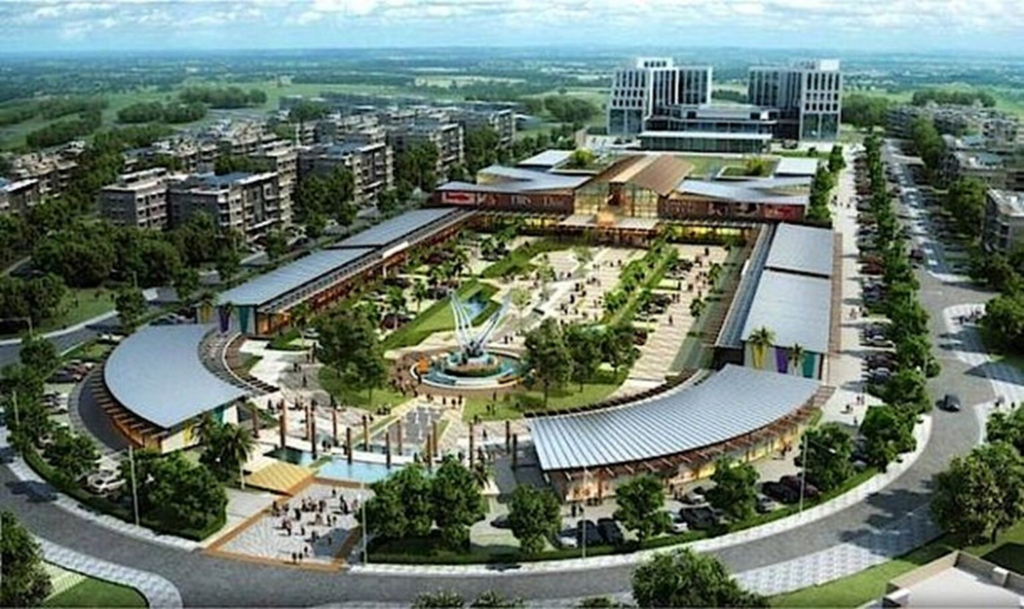
Despite major gains, Rwanda continues to pursue ambitious long-term development goals focused on industrialisation, job creation, and raising living standards.
Through Vision 2050, the country aims to become a high-income, knowledge-based economy driven by innovation, productivity, and competitiveness.
The strategy targets raising GDP per capita above $12,000 and positioning Rwanda among upper-middle and high-income economies by mid-century.
A continuing transformation
Rwanda’s 32-year journey reflects one of the most dramatic national recoveries in recent history, marked by sustained reform efforts and significant investment in key sectors.
While challenges remain, the country continues to be highlighted as a case of rapid post-conflict reconstruction, with ongoing efforts to translate economic growth into broader improvements in living standards and inclusive development.






One Response
Rwanda and Ethiopia are the future East Africa giants