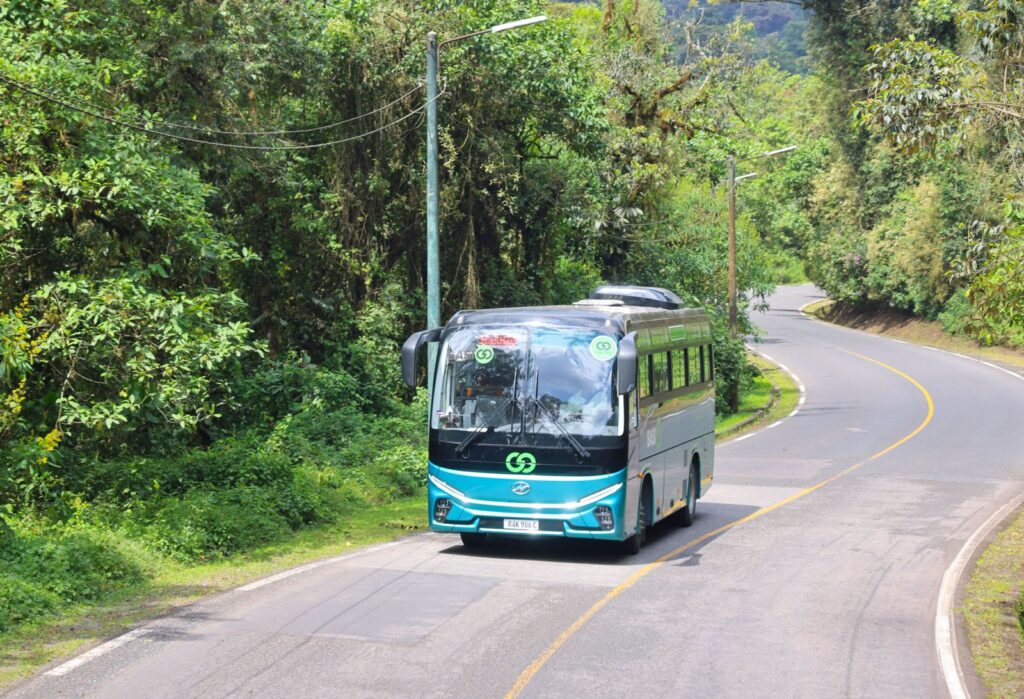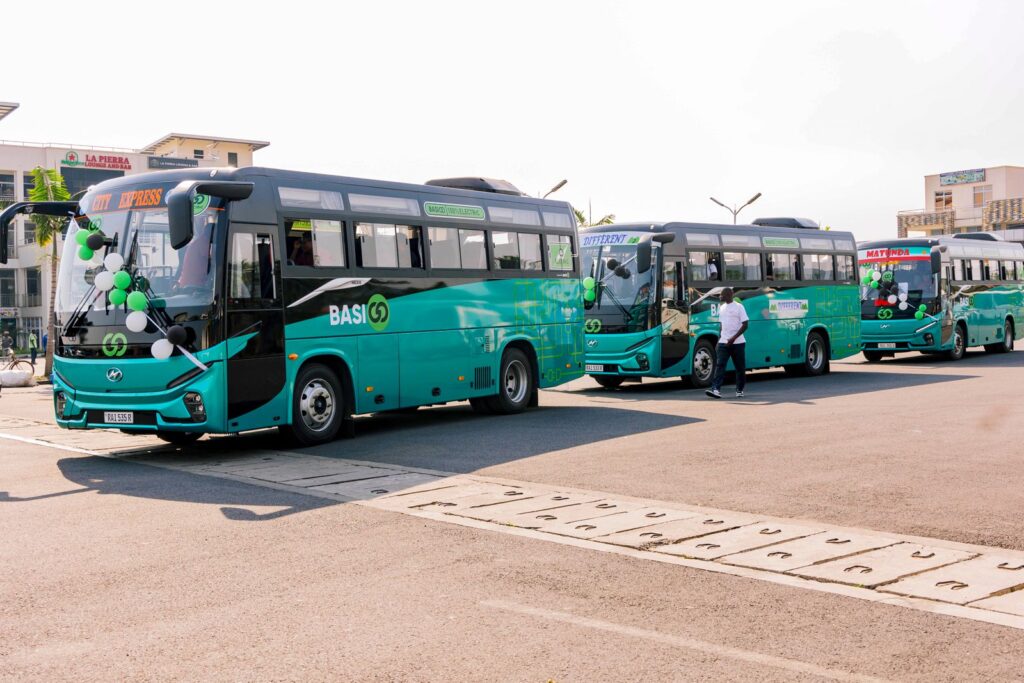
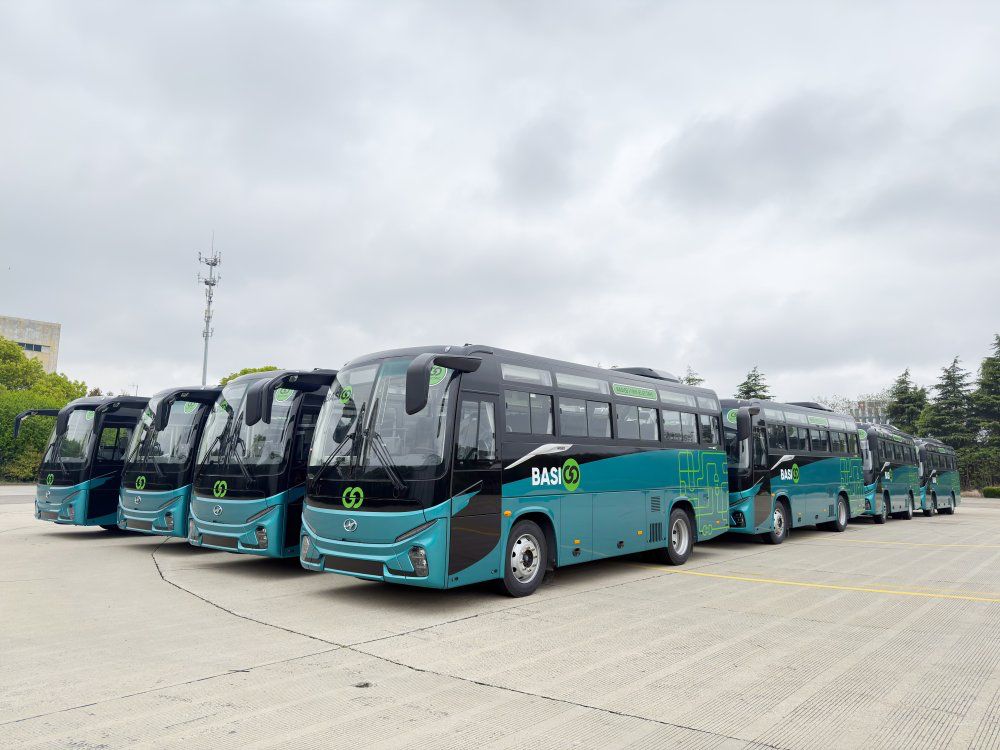
BasiGo Rwanda has officially unveiled 18 new electric buses, which will operate on the long-distance Kigali–Rusizi route, one of the country’s most challenging corridors due to its mountainous terrain and extended distance.
The buses were presented on June 23, 2026, after successfully completing a trial journey from Kigali to Rusizi and back without requiring a mid-route recharge, demonstrating their capacity for long-distance intercity operations.
According to BasiGo Rwanda Managing Director Jones Kizihira, successfully reaching Rusizi with electric buses represents a major milestone since the company began operations in Rwanda.
He said “We had reached almost every part of the country except Rusizi. We recently sent two buses on trial, and they reached safely and returned without any issues. Now, with these 18 buses, we are ready to begin operations in July.”
Following the successful tests, the company confirmed that the buses will begin regular passenger services on the Kigali–Rusizi route starting in July 2026.
A new generation of long distance electric coaches
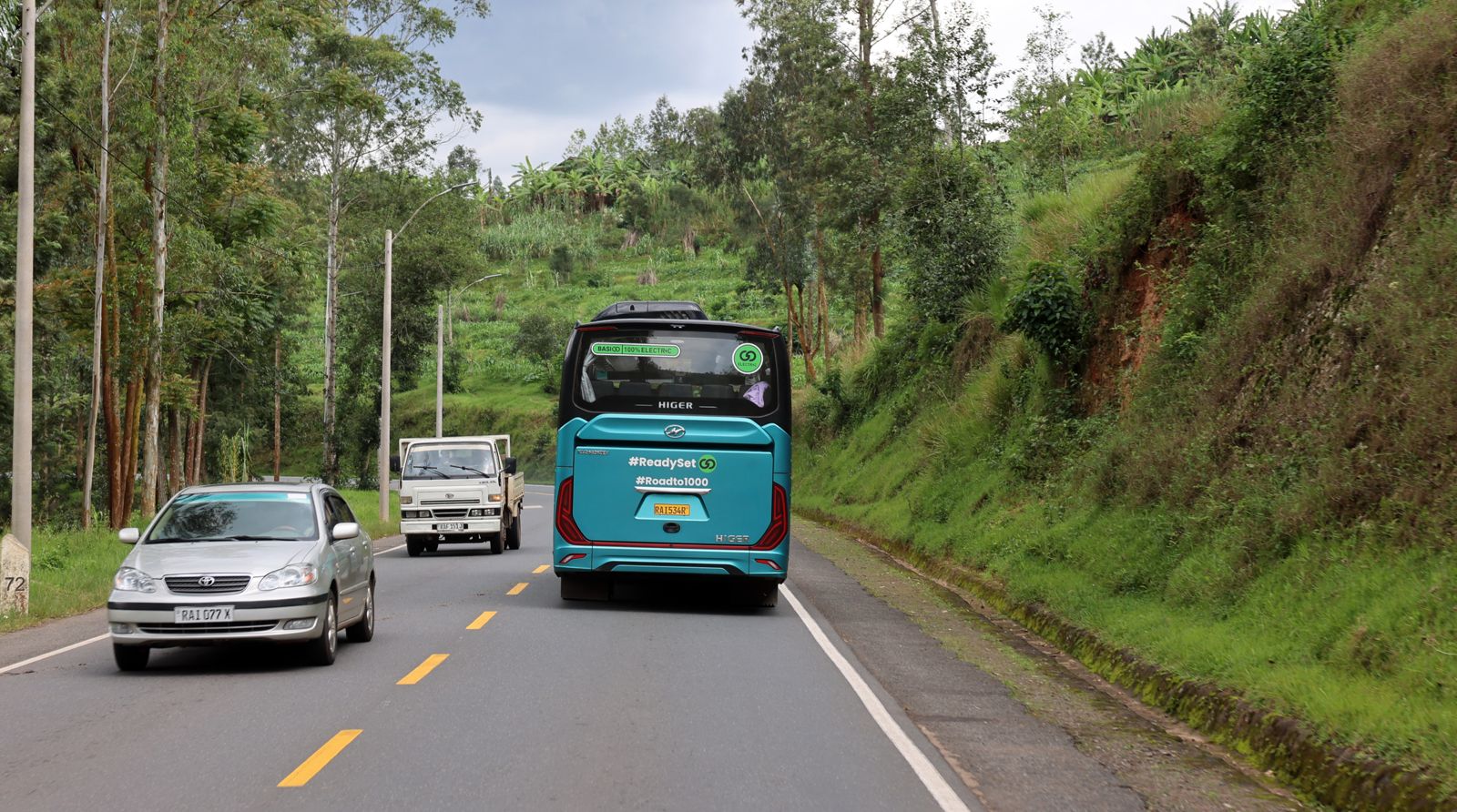
The newly introduced buses are part of the BasiGo i8 Intercity Coach fleet, the first premium electric intercity buses designed specifically for long-distance travel in Rwanda.
Each coach can travel up to 400 kilometres on a single charge, making it possible to complete a Kigali–Rusizi round trip without recharging. Even after completing a full journey, the battery retains at least 20% charge to preserve performance and battery health.
The buses feature 42 passenger seats, including designated spaces for persons with disabilities, along with a 2.5-ton undercarriage cargo capacity and additional overhead storage.
Passengers benefit from a range of comfort and connectivity features, including air conditioning, reclining ergonomic seats, USB charging ports, onboard WiFi, and entertainment screens, as well as internal cameras for safety monitoring.
Fast charging and operational efficiency
The buses can be fully recharged in approximately 1.5 hours using 200kW DC fast-charging stations.
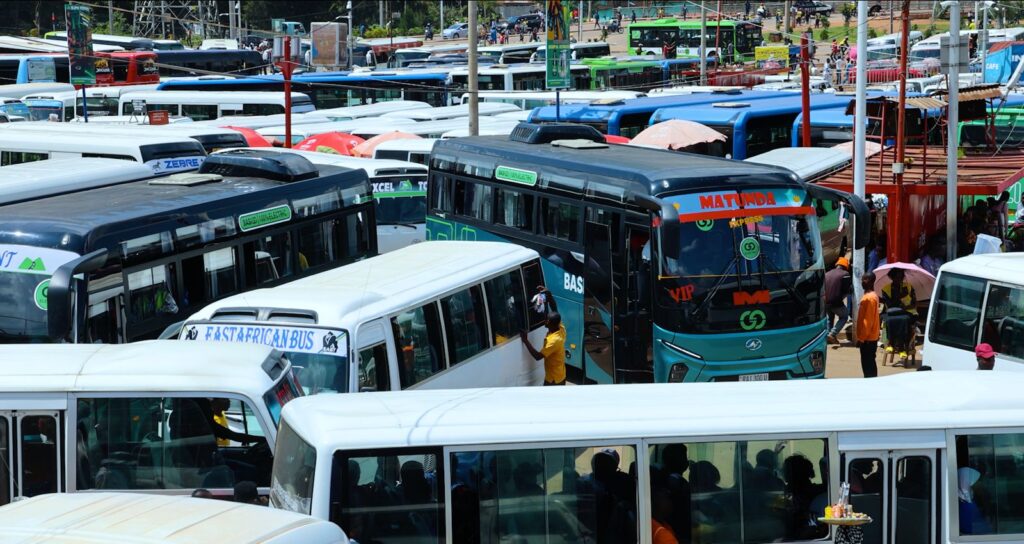
BasiGo currently operates charging infrastructure in Kigali and Muhanga, with expansion plans underway for Huye, Rusizi, and Rubavu to support wider intercity electric mobility.
The company operates under its Pay-As-You-Drive model, where transport operators do not purchase buses outright but instead pay a mileage-based fee that includes charging, maintenance, and technical support. This approach reduces upfront investment barriers and shifts financial risk away from operators.
Kizihira noted that electric buses in Rwanda typically cost between 130,000 and 150,000 USD per unit, making financing partnerships essential for wider adoption. BasiGo is working with financial institutions to expand access to credit for transport operators.
Fleet growth from 2 to 52 buses in three years
BasiGo’s expansion in Rwanda has been rapid. The company entered the country in 2023 with just two electric buses operating in Kigali in partnership with transport operators such as Volcano Express, Kigali Bus Company (KBC), and Royal Express.
Today, the company’s fleet has grown to 52 electric buses, including the newly delivered 18 intercity coaches, representing a 53% increase in operational capacity.
The company aims to reach 100 electric buses in Rwanda by the end of 2026, with a broader long-term ambition of deploying 1,000 electric buses across East Africa, including Rwanda and Kenya, where BasiGo also operates.
Environmental impact and emissions reduction
Beyond transport efficiency, BasiGo reports significant environmental benefits from its operations.
Over the past three years, the company estimates it has helped reduce approximately 5,000 tonnes of carbon emissions by replacing diesel-powered buses with electric alternatives.
“Today we have reduced 5,000 tonnes of greenhouse gas emissions. This is calculated based on the distance the buses have travelled.” Kizihira noted.
Since 2023, BasiGo buses in Rwanda have collectively covered about 12 million kilometres and displaced more than 3 million litres of diesel fuel.
The company states that its long-term mission is to accelerate the transition from diesel to electric transport, reduce greenhouse gas emissions, and provide long-term sustainable mobility solutions for public transport operators.
Speaking during a recent public event, transport officials from the Rwanda Utilities Regulatory Authority (RURA) encouraged continued investment in charging infrastructure and collaboration with district authorities to allocate land for expansion.
Rwanda has set an ambitious national target of reducing greenhouse gas emissions by 38% by 2030, equivalent to preventing 4.6 million tonnes of carbon emissions.
Electric mobility initiatives such as BasiGo’s expansion are aligned with Rwanda’s National Strategy for Transformation and the country’s long-term vision of a low-carbon economy by 2050.