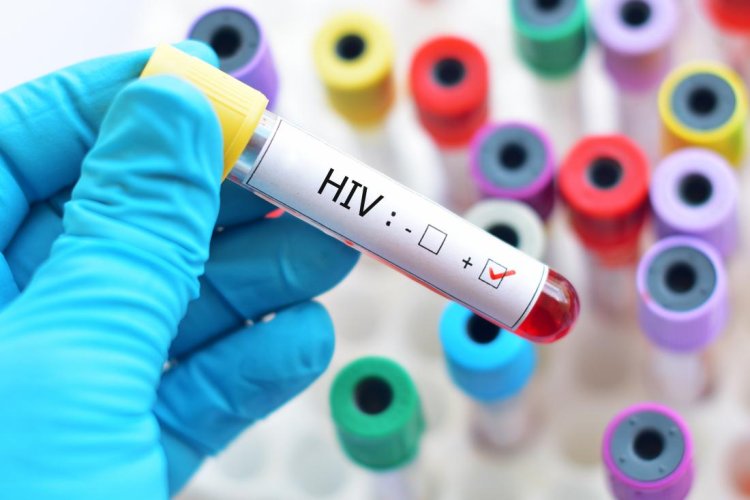
HIV prevalence in Rwanda has declined to 2.2% among people aged 15–49, down from 2.7% in 2019–2020, according to the Rwanda Demographic and Health Survey (RDHS) 2025.
The findings were released on June 30, 2026, by the National Institute of Statistics of Rwanda (National Institute of Statistics of Rwanda) in collaboration with the Ministry of Health.
The report shows a persistent gender gap, with prevalence at 2.8% among women compared to 1.5% among men.
Urban areas remain more affected, recording 3.3% prevalence compared to 1.7% in rural areas. Kigali City has the highest rate nationally at 3.7%, while the Northern Province records the lowest at 1.0%.
Regional figures show the Southern Province at 2.3%, Western at 2.2%, and Eastern at 2.0%.
The survey also highlights a strong link between education and HIV prevalence, with higher rates among people with no formal education (4.9%), compared to 0.9% among those with higher education.
Over the past two decades, the trend shows steady progress, with prevalence falling from around 3% in 2005–2015 to 2.7% in 2019–2020, and now 2.2% in 2025.
Marital status also shows clear disparities, with the highest prevalence among widowed individuals (10.9%), followed by divorced or separated people (7.3%).
Among women, prevalence rises sharply with number of sexual partners, reaching 16.9% among those reporting 10 or more partners. Male circumcision is associated with lower prevalence at 1.2% compared to 2.5% among uncircumcised men.
The survey is based on a large nationally representative sample, with testing coverage of 99% among women and 97% among men, ensuring high reliability of the findings.