June 17, 1994 marked the 73rd day of the 100-day genocide against the Tutsi, and the 168th day of the year. At the time, the genocidal regime was intensifying efforts to locate and eliminate Tutsi civilians in hiding, while RPA-Inkotanyi forces continued advancing and liberating areas across the country.
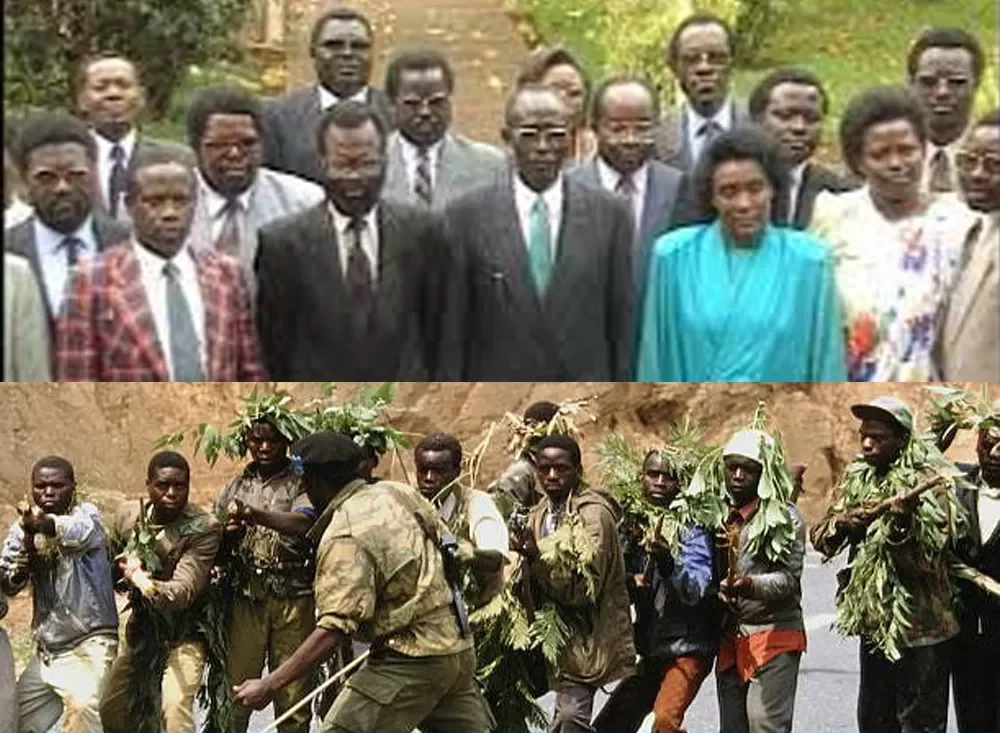
On this day, the interim government led by Jean Kambanda convened an emergency cabinet meeting. The meeting reportedly exposed growing instability within the regime, including cases of officials and military officers abandoning frontline positions to seek safety elsewhere, as well as weakening coordination across government structures.
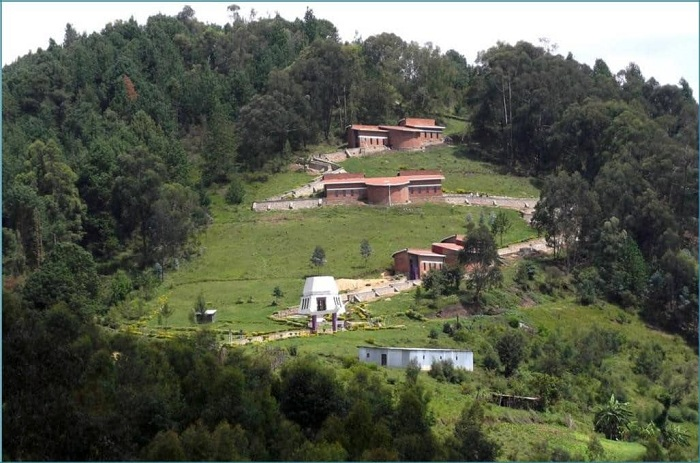
At the same time, Tutsi civilians in Bisesero had endured sustained attacks from Interahamwe militia for more than two months, continuing to resist despite severe conditions and limited means.
During the cabinet meeting, Kambanda reportedly ordered the deployment of soldiers and large numbers of Interahamwe militia to Bisesero with the objective of eliminating the remaining Tutsi survivors who were still resisting.
The meeting also resulted in government reshuffles, with several officials replaced by hardline figures aligned with the genocidal ideology, as RPA-Inkotanyi forces continued to make territorial gains and halt killings in different parts of the country.
Some local administrators, including burgomasters, reportedly fled their posts out of fear of being held accountable for their involvement in the killings.
Discussions during the meeting further reflected growing panic within the regime, including concerns among senior officials and ministers focused on evacuating their families abroad.
The decisions taken during this period—including coordination of attacks against civilians in Bisesero and continued arming and training of Interahamwe militia under the so-called “civil self-defence” framework—remain key indicators of the state-led planning and execution of the genocide against the Tutsi in Rwanda.