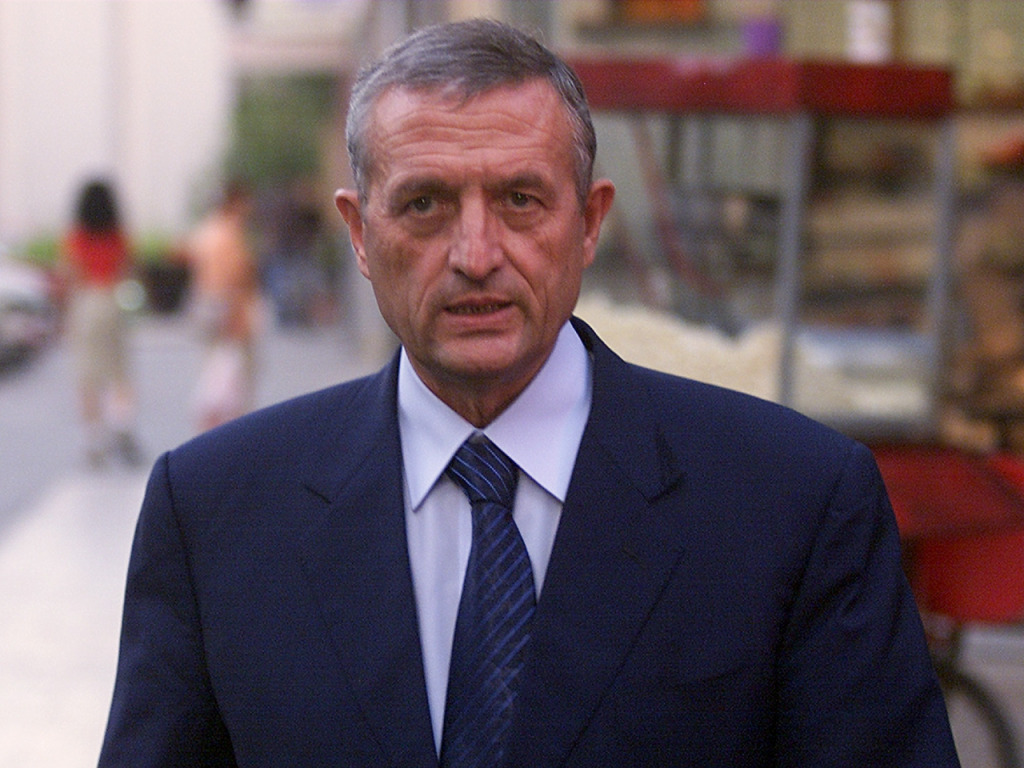
June 29, 1994 marked the 84th day of the 100-day Genocide against the Tutsi, as thousands of survivors remained in hiding while the Rwanda Patriotic Front (RPF-Inkotanyi) continued advancing across the country, liberating territories and rescuing civilians from ongoing massacres.
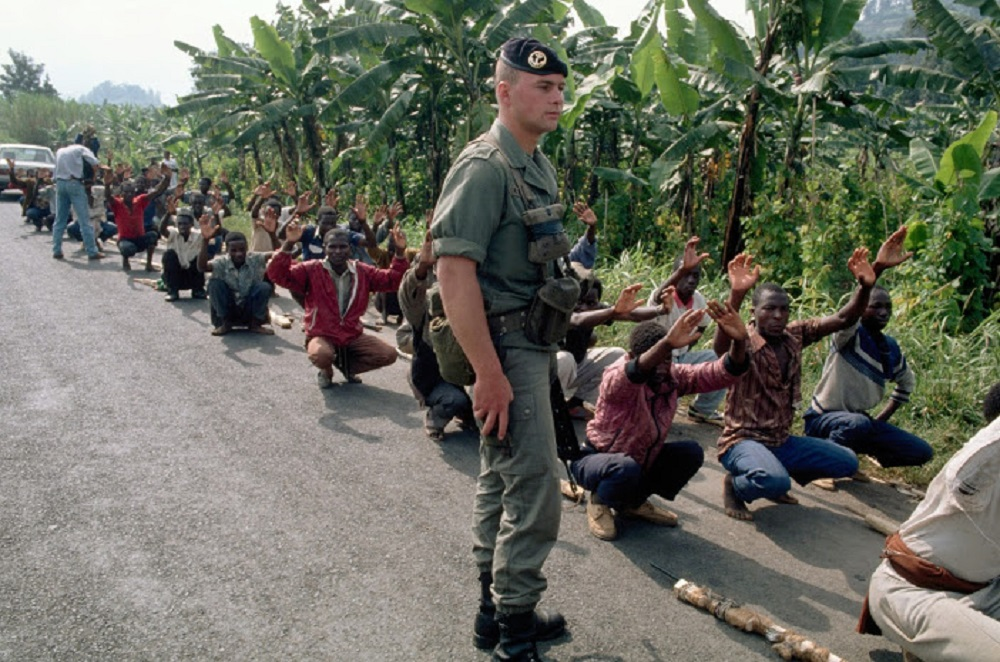
On that day, French Defence Minister François Léotard visited French troops deployed near Bisesero under Operation Turquoise, France’s military intervention in Rwanda launched during the final months of the genocide.
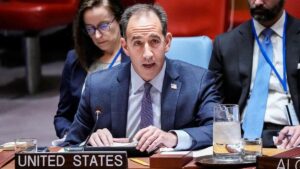
The visit came just days after the United Nations Security Council had authorized the operation on June 22, 1994, describing it as a humanitarian mission to protect civilians. By June 29, nearly 2,500 French troops had begun deploying across the so-called Safe Humanitarian Zone (Zone Humanitaire Sûre) in southwestern Rwanda.
Although Operation Turquoise was presented as a humanitarian intervention, it later became the subject of extensive scrutiny and controversy. Numerous investigations, official reports, and testimonies from former French soldiers alleged that the operation had hindered the RPF-Inkotanyi’s efforts to stop the genocide and had enabled senior officials of the genocidal government to flee into neighbouring Zaïre, now the Democratic Republic of the Congo.
The minister’s visit came a day after another major international development. On June 28, 1994, United Nations Special Rapporteur René Degni-Ségui released a report that formally concluded genocide was being committed in Rwanda. The report also documented that killings and persecution had continued, with Tutsi remaining the principal targets of the violence despite growing international recognition of the atrocities.