The Rwanda Utilities Regulatory Authority (RURA) has moved to clarify growing public concerns over water pricing, intermittent supply, non-revenue water losses, and the rollout of smart metering systems, as residents in various parts of the country continue to report challenges in access and affordability.
Some citizens have complained that water tariffs are perceived as high, while others cite irregular supply, a situation that has in some cases fueled illegal resale of water at inflated prices.
To address these issues, RURA’s Water, Sanitation and Wastewater Regulation department has launched a nationwide engagement campaign aimed at identifying operational challenges and strengthening collaboration between consumers, service providers, and government institutions.
Key concerns raised include disputes over monthly billing, malfunctioning meters, water wastage, unauthorized resale, and inconsistent distribution in some areas.
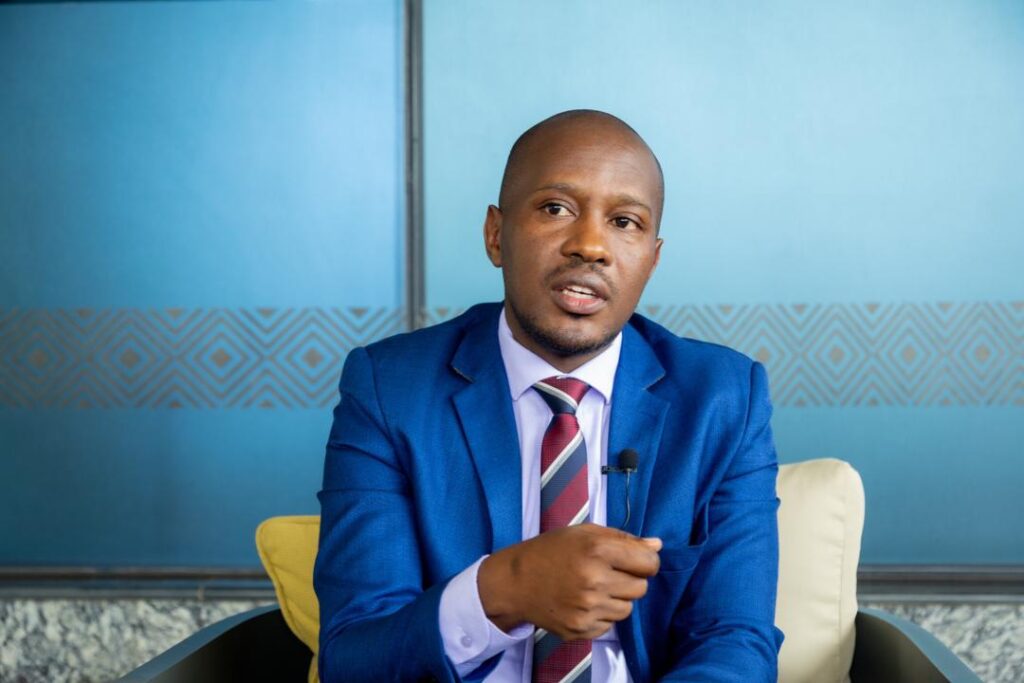
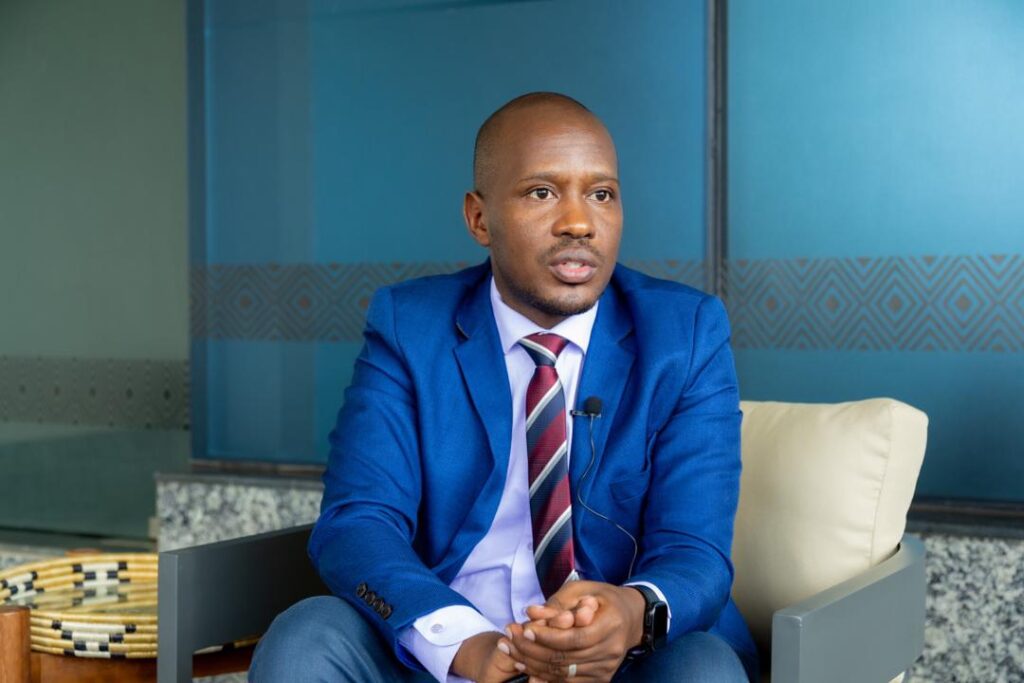
The Head of the department, Dr. Hussein Bizimana, said the initiative is intended to foster joint problem-solving and improve service delivery across the sector.
He warned against the illegal resale of water, particularly at public standpipes, stressing that such practices violate regulations and attract sanctions, including withdrawal of operating permits.
“Water from public standpipes is meant to be affordable as it is a basic service. When a jerrycan is set at 20 Rwandan francs but is sold at 100, 300, or 500 francs, that is a clear breach of the law,” he said.
Supply-demand gap remains a challenge
Dr. Bizimana acknowledged that water shortages persist in some areas, largely due to demand outpacing production capacity.
He noted that Kigali alone requires more than 230,000 cubic meters of water per day, while current production ranges between 145,000 and 150,000 cubic meters, leaving a daily deficit of about 80,000 cubic meters, excluding system losses.
“This imbalance requires careful distribution so that all areas can be served,” he explained.
He added that supply interruptions are also linked to infrastructure constraints, topographical challenges, and the time required for water to reach different distribution zones. Expansion projects are ongoing in collaboration with WASAC Utility to increase production and improve coverage.
Smart water meters under pilot phase
On proposals for prepaid smart water meters—similar to electricity systems—Dr. Bizimana confirmed that the technology is already being piloted in selected areas.
He said RURA, together with water service providers, is assessing the system’s performance before considering nationwide rollout.
Progress in reducing water losses
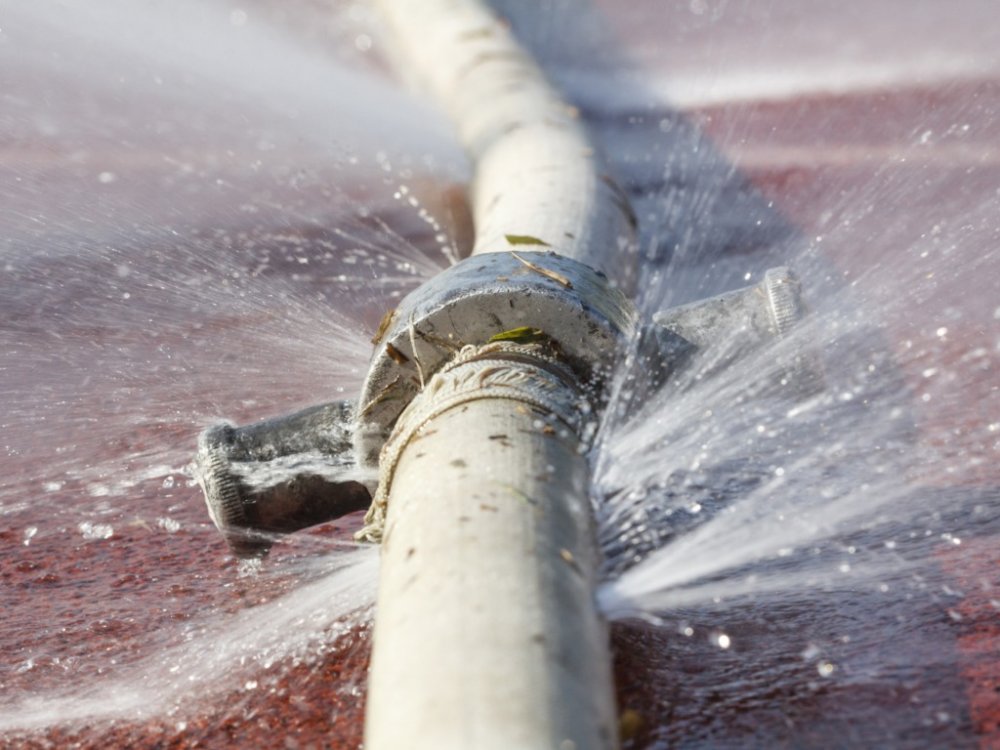
Dr. Bizimana also highlighted progress in reducing non-revenue water, which includes losses from leaks, illegal connections, and billing inefficiencies.
He said losses have dropped from over 40% in previous years to about 35% currently, with a national target of 25% by 2029.
“We are still on a journey, but in collaboration with WASAC, we are working to ensure these losses are significantly reduced in a sustainable way,” he said.
Call for responsible use and public vigilance
RURA urged citizens to report water-related issues promptly, including billing anomalies, meter faults, and supply interruptions, to the relevant authorities.
Dr. Bizimana further called on the public to use water responsibly, avoid wastage, and protect infrastructure, noting that misuse contributes to shortages and rising service costs.
He also encouraged citizens to understand official tariff structures to prevent exploitation and promote transparency in water service delivery.