Construction of the Muvumba Multipurpose Dam project in Nyagatare District has reached 61.5% completion, with the government expecting the facility to transform agriculture, water management and energy supply in Rwanda’s Eastern Province.
Rwanda generated more than Rwf9.18 billion from agricultural and livestock exports in just three days, highlighting the country's growing presence in international markets and the continued importance of the agriculture sector to export earnings.
Prime Minister Dr. Justin Nsengiyumva has challenged Rwandan investors to move beyond small-scale personal achievements and pursue ambitious businesses capable of generating greater wealth and transforming the economy.
Rwanda has spent nearly Rwf48 billion on fuel subsidies in four months as the government moves to shield consumers and the economy from the impact of rising global oil prices.
Rwanda has expanded its petroleum storage capacity to 118 million litres as the government moves to strengthen the country's energy security and shield the economy from global fuel market disruptions.
The National Bank of Rwanda (BNR) has extended the temporary suspension of Mobicash Rwanda Ltd operations until July 30, 2026, as the regulator continues assessing the company’s compliance with payment service regulations.
Rwanda Revenue Authority (RRA) has announced that tax collections reached Rwf3.956 trillion in the 2025/26 financial year, surpassing the institution’s target by 4.25%.
Construction of a fuel station in Kamonyi District has been halted after concerns were raised over the safety of its location on a raised mound of soil overlooking nearby residential houses.
More than three decades after the 1994 Genocide against the Tutsi, Rwanda has rebuilt itself from a country devastated by conflict into one widely regarded as a fast-growing and reform-driven economy in Africa.
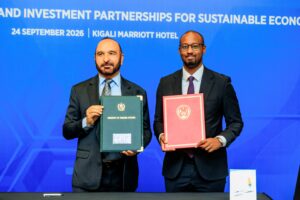
Rwanda has signed a new agreement with Tanzania aimed at strengthening the importation of refined petroleum products through the Port of Tanga, as part of efforts to diversify supply routes and enhance energy security in the region.
Subscribe to our mailing list to receives daily updates to your inbox!