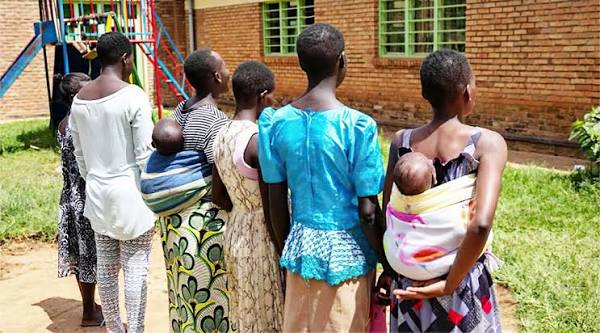
Health Minister Dr. Sabin Nsanzimana has said that more than 23,000 adolescent girls become pregnant in Rwanda every year, averaging about 60 cases daily, warning that the trend remains a serious public health and socio-economic concern.
He made the remarks on Friday, June 26, 2026, during a national youth forum aimed at accelerating efforts to prevent and eliminate teenage pregnancies. The event brought together about 2,000 participants, mainly young people, and also marked the launch of a training guide designed to strengthen communication within families on adolescent health issues.
Dr. Nsanzimana said the rising number of teenage pregnancies reflects a worsening trend that requires urgent, multi-sectoral intervention, noting that the proportion of girls aged 15–19 who become pregnant has increased from 5% in 2020 to 8% in 2025.
He warned that the consequences extend beyond the affected girls, impacting child health outcomes and broader national development.
“Sixty teenage pregnancies a day is a significant burden,” he said, adding that children born to adolescent mothers face higher risks of poor health outcomes, including stunting and early mortality.
The minister also highlighted school dropout as a major driver, noting that girls who do not complete at least primary education are significantly more vulnerable to early pregnancy compared to those who complete secondary education.
He further pointed to misinformation among adolescents, particularly through social media, where myths about pregnancy and sexual health continue to circulate and influence risky behavior.
“Some young people believe incorrect information, such as myths that pregnancy cannot occur the first time one has sex. These misconceptions are harmful,” he said.
Dr. Nsanzimana also cited poverty, peer pressure, and sexual violence as contributing factors, calling for stronger prevention measures, improved access to reproductive health services, and enhanced parental engagement.
He stressed that keeping girls in school through at least secondary education could significantly reduce teenage pregnancy rates, alongside sustained awareness and community-based interventions.
According to the latest Demographic and Health Survey (DHS7), teenage pregnancy in Rwanda has fluctuated over the years but has recently shown an upward trend, rising from 5% in 2020 to 8% in 2025.