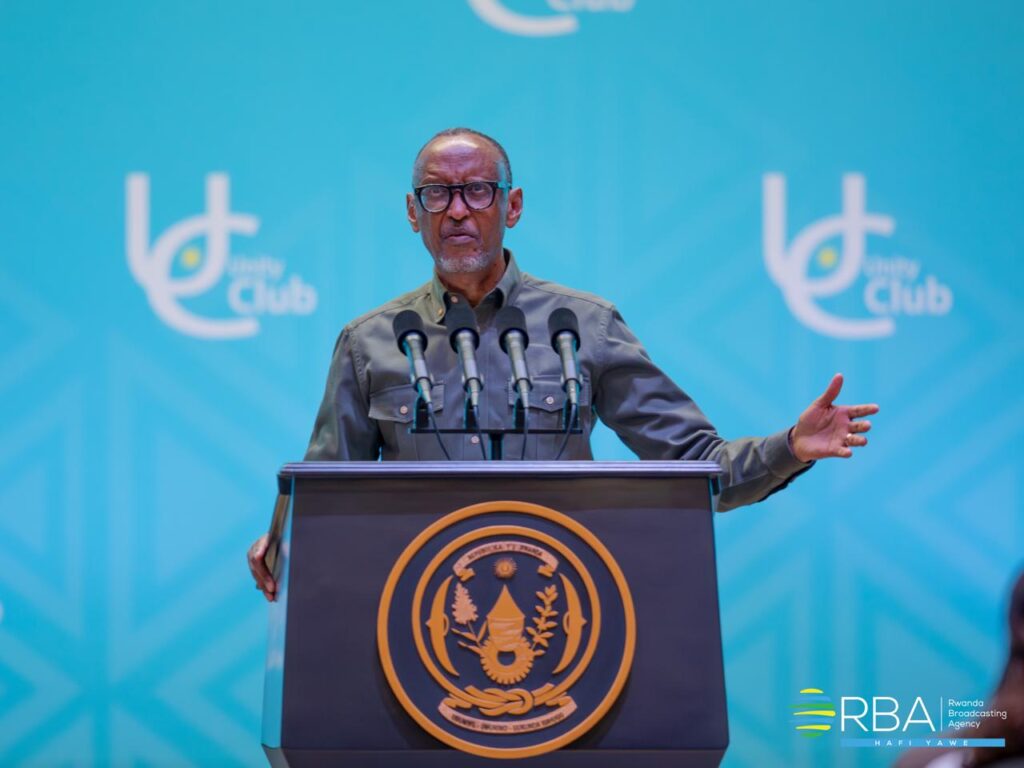
President Paul Kagame has said Rwanda will not be held hostage by individuals or groups seeking to distort or selectively interpret the country’s history.
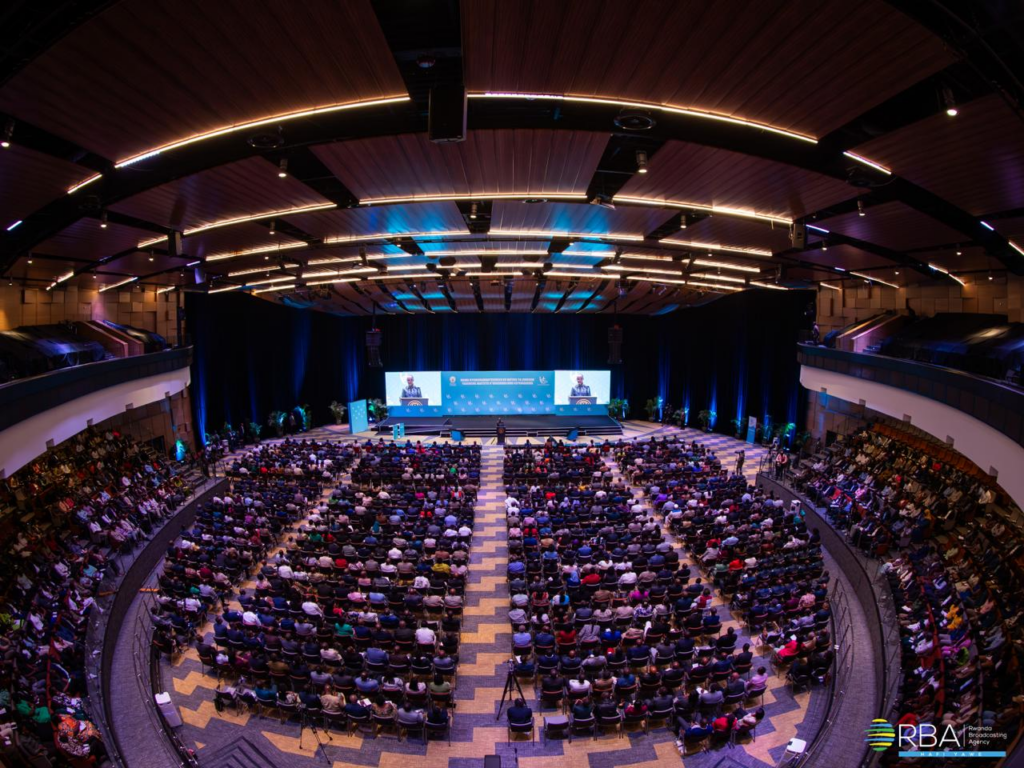
He made the remarks on June 27, 2026, while opening a national dialogue on the history of the 1994 Genocide against the Tutsi and the liberation struggle that ended it. The forum, organised by Unity Club Intwararumuri, brought together about 1,500 participants.
President Kagame said disagreements over historical interpretation often stem from differing interests, personal involvement, or emotional and political considerations linked to past events. He stressed the need to move beyond such divisions and work towards a shared understanding grounded in verifiable facts.
He called for efforts to consolidate historical accounts into a common truth that can guide national development, reconciliation, and unity.
“The most important thing is to go beyond those differences and bring everything together into a truth we can rely on as we move forward,” he said, noting that some facts remain undeniable and are supported by clear evidence.
Kagame cautioned against prolonged debates that seek to deny established realities, saying Rwanda has already provided sufficient space for research, discussion, and reflection on its history.
He emphasized that while academic inquiry is important, it should not be used to undermine or distort well-documented historical facts.
The President also noted that some individuals reject established truths due to personal relationships, fear of accountability, or attempts to justify past actions.
He said denial in some cases is driven by the implications that acknowledgment would have on those connected to the events in question.
Kagame further underscored that Rwanda’s painful history must be preserved as a foundation for nation-building, even when certain aspects remain difficult to confront.
He stressed that remembrance is essential for drawing lessons and ensuring the country continues to build a future defined by Rwandans’ own choices.
“We had a very painful history, but it is ours. It is not the history we should have had,” he said, adding that liberation means accepting the past while committing to a better future.
The President reaffirmed that Rwanda has reached a level of progress that cannot be ignored, stressing that while dialogue is welcome, there are limits to denying or distorting established historical truths.