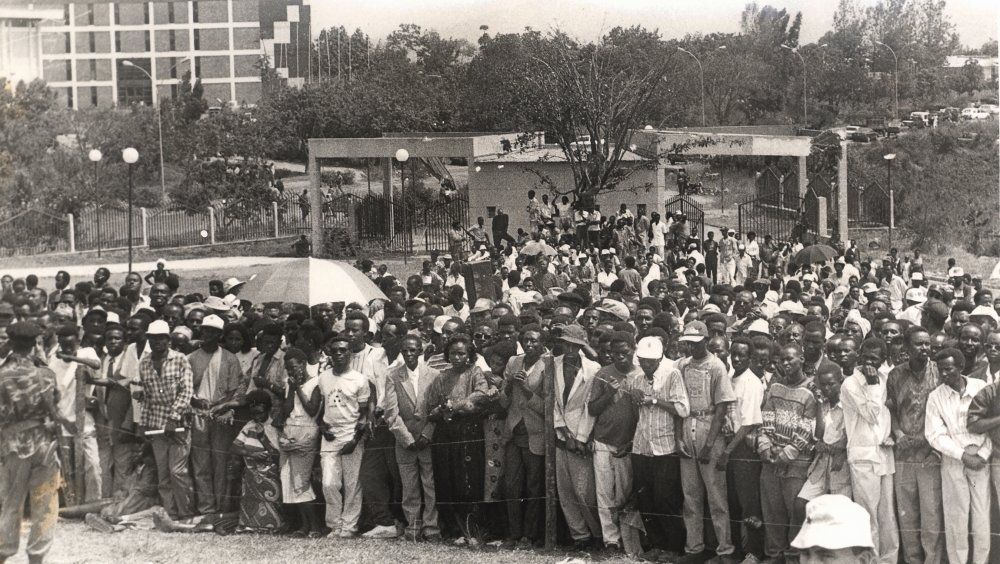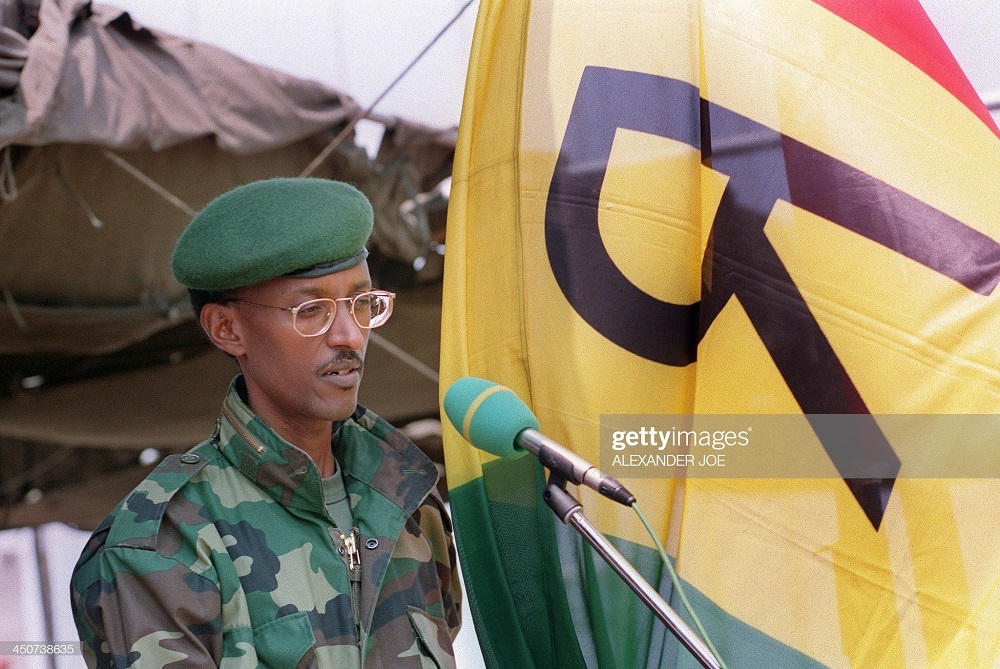
It has been 32 years since the Rwanda Patriotic Army (RPA) Inkotanyi ended the liberation war that began in October 1990 and concluded in July 1994, a conflict marked by both armed struggle and negotiations aimed at ending the crisis.
Throughout the war, political dialogue continued between the then Government of Rwanda and the Rwanda Patriotic Front (FPR-Inkotanyi), which was in exile. These talks culminated in the Arusha Peace Agreement signed on August 4, 1993 in Tanzania, which established the framework for a broad-based transitional government founded on power sharing.
Under the agreement, key political parties—including MRND, FPR, PSD, PL, and MDR—were allocated equal representation in the transitional parliament, while PDC also received seats. The arrangement was designed to ensure inclusiveness and stability during the transition period.
However, the implementation of the agreement was severely undermined. The then ruling party, MRND, was widely accused of failing to fully honour the commitments reached in Arusha, while extremist factions intensified mobilization, arms distribution, and militia training, contributing to the environment that led to the 1994 Genocide against the Tutsi.
Despite the collapse of the agreement and the realities of war, the FPR maintained its military campaign, which ultimately ended the genocide and brought it to power in July 1994.
Commitment to unity over “winner takes all”
After the victory, the FPR opted for a Government of National Unity rather than exclusive rule. The decision was rooted in the same principles that had guided the movement during the struggle: national unity, reconciliation, and inclusion.
According to National Council of Elders Chairperson Tito Rutaremara, unity was a core objective of the FPR from the beginning of its formation.
“Even within FPR, before we started building unity among Rwandans, our first idea was to build unity among Rwandans,” he has previously explained, stressing that reconciliation required engaging even political opponents.
Rutaremara noted that the movement consistently prioritized inclusion, even during the war, by integrating individuals who joined the struggle from opposing sides into its structures rather than treating them as enemies.
This approach also extended to former government soldiers who remained in the country after the defeat of the regime. Around 1,500 ex-FAR troops were later integrated into the new national army after training at Gako, with some retaining their previous ranks.
Former members of the previous ruling party who were not implicated in the genocide were also encouraged to return and participate in rebuilding the country, although not all accepted the invitation.
Formation of the transitional government
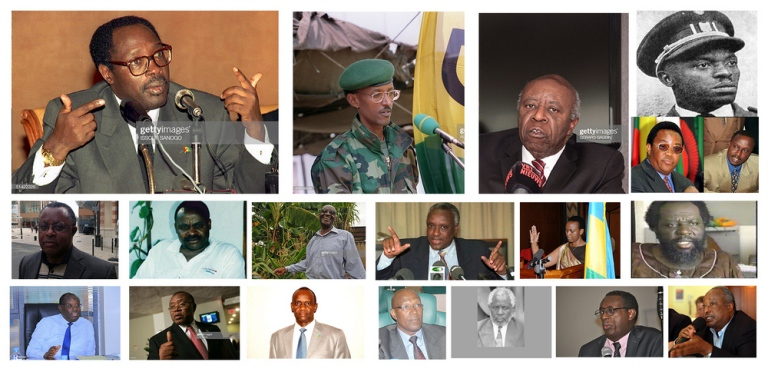
On July 19, 1994, a Government of National Unity was established for a five-year transition period, with the mandate to restore stability and prepare for future democratic governance.
The arrangement reflected a deliberate choice to preserve elements of power sharing despite the FPR’s military victory, with the aim of preventing renewed conflict and promoting national reconciliation in a country devastated by genocide and war.