Economy

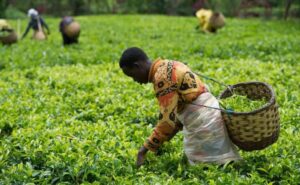
Rwanda generated more than Rwf13 billion from agricultural and livestock exports in just four days, highlighting the growing contribution of the sector to the country’s foreign exchange earnings and economic growth.
More than 400 investors have been allocated land in industrial parks across Rwanda, with nearly half of them already developing projects, as the government intensifies efforts to expand industrial capacity and attract investment.
Rwanda earned more than Rwf12.8 billion ($8.7 million) from the export of agricultural and livestock products between July 20 and 24, 2026, highlighting the continued contribution of the agriculture sector to the country’s foreign exchange earnings.
Akagera National Park generated more than US$1 million (over Rwf1.4 billion) in revenue during the second quarter of 2026, driven by increased tourist arrivals and improved financial performance, according to the park’s latest quarterly report.
Rwanda's interoperable digital payments platform, eKash, has recorded a sixfold increase in daily transactions just two weeks after its nationwide rollout, underscoring growing adoption of the system despite isolated technical challenges.
Rwanda earned more than $9.63 million, equivalent to over Rwf14 billion, from agricultural and livestock exports in just five days, as the sector continues to play a key role in generating foreign exchange and expanding the country’s presence in international markets.
The Chamber of Deputies has approved a series of agreements allowing Rwanda to access loans and grants worth a combined Rwf291 billion to support development programmes in healthcare, agriculture, pandemic preparedness and social protection.
Rwanda will need annual investment equivalent to between 12% and 21% of its gross domestic product (GDP) to achieve the Sustainable Development Goals (SDGs) by 2030, according to the country's latest Voluntary National Review submitted to the United Nations.
Rwanda earned more than Rwf11.8 billion from agricultural and livestock exports during a five-day period in July 2026, reflecting the continued growth of the country’s agro-export sector.