Environment

The Rwanda Environment Management Authority (REMA) has temporarily suspended services previously offered at its headquarters, transitioning key operations to digital platforms.
At least 49 people have been killed by lightning strikes across Rwanda in the first four months of 2026, according to the Ministry in charge of Emergency Management (MINEMA), raising fresh concerns over disaster preparedness and public safety.
The Ministry of Infrastructure (MININFRA) has announced plans to launch pilot projects converting petrol and diesel-powered vehicles into electric and gas-powered systems, marking a significant step in Rwanda’s transition towards cleaner transport solutions.
Rwanda has surpassed its national tree-planting target for the 2025/2026 season, with more than 68.3 million trees planted—well above the initial goal of 60 million.
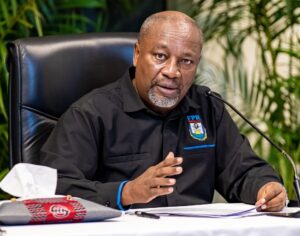
The Minister in charge of Emergency Management, Maj. Gen. (Rtd) Albert Murasira, has visited Gisuma hill in Nyabihu District to assess escalating soil erosion that has already destroyed more than eight hectares of land and damaged infrastructure.
The Rwanda Environment Management Authority (REMA) and the Ministry of Finance and Economic Planning have moved to reassure investors in the environmental and energy sector, saying that green investments are not only viable but increasingly profitable as Rwanda accelerates its transition to a low-carbon economy.
Akagera National Park generated over Frw 1.9 billion in the first quarter of 2026, buoyed by a steady rise in visitor numbers and tourism activities.
The Chamber of Deputies has urged the Prime Minister to present a concrete plan within six months to manage rainwater, aiming to protect roads, bridges, and citizens’ property.
Ruhumuriza James, popularly known as King James in Rwanda’s music industry, has officially confirmed that he will stage a major concert at BK Arena.
Rwanda and Japan are strengthening cooperation and exchanging expertise on disaster prevention and management, as both countries explore innovative ways to mitigate hazards such as landslides, floods, earthquakes and lightning that continue to threaten lives, infrastructure and economic stability.